
Buying property is a major step. It takes more than a budget and a location. Smart buyers also check for hidden risks. A Phase 1 Environmental Site Assessment helps protect that investment. It shows if the land has past issues like oil spills, buried tanks, or toxic waste.
This report gives clear facts. It points out problems that may cost time and money later. Banks often ask for it before they approve loans. Even if lenders stay silent, buyers should still request one. It adds a layer of safety that makes any deal stronger.
The cost may seem high at first. Some reports start near $2,000. Others rise past $5,000. Prices change based on the land’s size, location, and past use. Each report offers a custom review that matches the needs of the site.
This guide explains what affects the price, what the report includes, and why it matters. It helps buyers, builders, and lenders avoid risk. With the right facts, you can make smart choices and avoid costly mistakes.
What Is a Phase 1 Environmental Site Assessment?
A Phase 1 Environmental Site Assessment checks if land may hold past risks. It reviews records and site conditions to see if the property has signs of pollution. This report does not test soil or water. It only finds clues that show if deeper testing may be needed.
Inspectors visit the property in person. They look at buildings, open areas, and nearby sites. They take photos, walk the grounds, and note problems like stains, odors, or old pipes. These signs may point to hidden waste. They also review maps, past records, and property files from the city or state.
The goal is to spot signs of danger. If clear risks appear, the report may suggest a Phase 2 assessment. That next step involves lab tests and drilling. But in many cases, Phase 1 finds no major problems. It helps buyers feel safe and ready to move forward.
Who Needs a Phase 1 ESA?
Anyone who plans to buy, sell, or develop land should consider a Phase 1 ESA. It is especially important in commercial or industrial property deals. Lenders often ask for this report before giving money. They want to know the land is safe and free from toxic risks.
Developers use this report before they build. It helps avoid delays caused by clean-up requirements. Business buyers use it to make sure they are not taking on someone else’s mess. Landlords want it before they sign long leases. Even cities and towns may require it as part of the permit process.
Sometimes private buyers also need it. A house near an old gas station or dry cleaner might carry risks. If the buyer knows those risks early, they can walk away or lower the offer. This makes the Phase 1 ESA useful in more deals than people expect.
What Factors Affect the Cost?
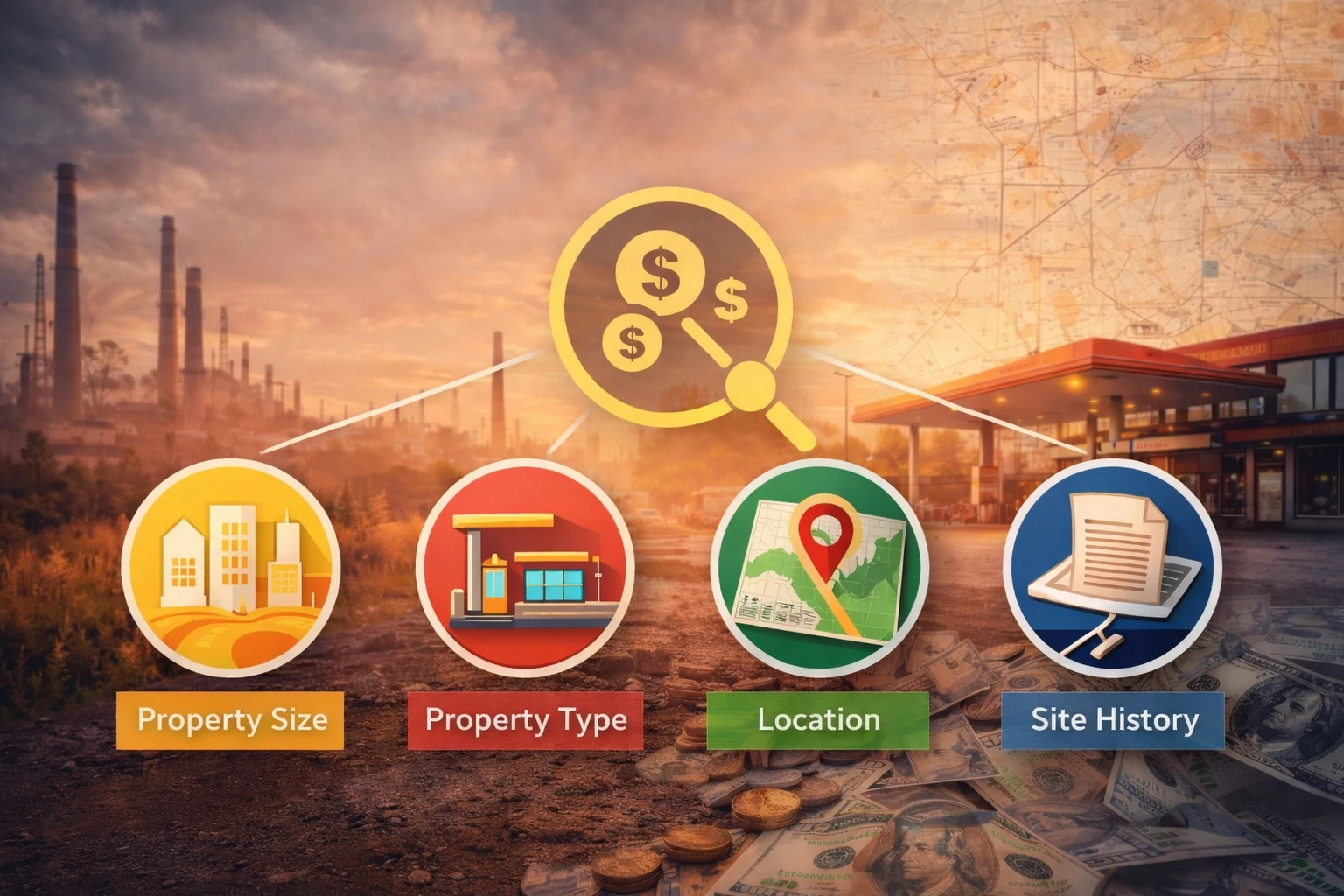
Several things affect how much you will pay for a Phase 1 ESA. No two sites are the same, and no two reports take the same amount of time.
Property Size
The bigger the site, the more time the inspector will need. A small city lot might take just one day to review. A 50-acre industrial site could take a week. More space means more ground to cover, more records to review, and a higher fee.
Property Type
Clean land costs less to assess. An empty field is easier to inspect than an auto shop or warehouse. Industrial sites usually require deeper research. Gas stations, dry cleaners, and storage yards often raise more questions. These places are known for leaks and spills.
Location
City sites often cost more due to higher local costs. In cities, inspectors may spend more time in traffic or deal with restricted access. Some records may be harder to get. Rural sites can cost more too if the assessor needs to travel long distances.
Site History
If the land has a clean past, the report is quicker. If old records show risky use, like a former gas station or landfill, then the inspection becomes complex. The more questions the past raises, the more the report costs.
Report Scope and Detail
Some buyers only need a simple review. Others ask for full reports with charts, interviews, and maps. The more details you need, the more it costs. The final report can be short or long. That choice impacts the cost.
Firm Reputation
Large firms often charge more. They have more experience and better legal protection. They follow strict standards and carry insurance. Smaller firms may cost less, but their work may not meet lender rules. That could delay or cancel your deal.
What’s Included in the Cost?
A good Phase 1 ESA includes a complete visual inspection of the property. The report will also include photographs of the land, records of past owners, and a list of nearby risks. Inspectors research public databases, review fire insurance maps, and check old city directories.
They create maps, include aerial images, and give a written summary. They note any Recognized Environmental Conditions they find. These are red flags that might point to a pollution risk. They also explain if a Phase 2 ESA is needed.
The report cost usually includes travel, research time, and the final document. It does not include digging, lab testing, or cleanup. Those come in later phases if needed.
Phase 1 Environmental Site Assessment Checklist
A Phase 1 ESA follows a clear review process. Inspectors check several key areas before they write the report.
- Site visit and full property walk‑through
- Review of current and past land use
- Inspection of nearby properties
- Search of local, state, and federal records
- Review of aerial photos and fire insurance maps
- Check for underground storage tanks
- Identification of Recognized Environmental Conditions
This checklist helps buyers understand what the report covers. It also helps confirm that the firm followed accepted standards.
Average Phase 1 ESA Cost by Property Type
| Property Type | Typical Cost Range |
|---|---|
| Small vacant lot | $1,500 – $2,500 |
| Small office building | $2,000 – $3,500 |
| Retail property | $2,500 – $4,000 |
| Warehouse or plant | $3,500 – $5,500 |
| Gas station or repair | $5,000 – $7,000 or more |
These numbers are just averages. Your actual quote may be higher or lower depending on your area and your property’s risk level. Always ask for a detailed quote.
Cost vs Risk: Why It’s Worth It
Paying for a Phase 1 ESA may seem like a waste if nothing is found. But skipping it can cost far more. You could end up buying land with hidden tanks, buried waste, or oil leaks. If that happens, you may need to pay for cleanup yourself. That can cost tens of thousands of dollars.
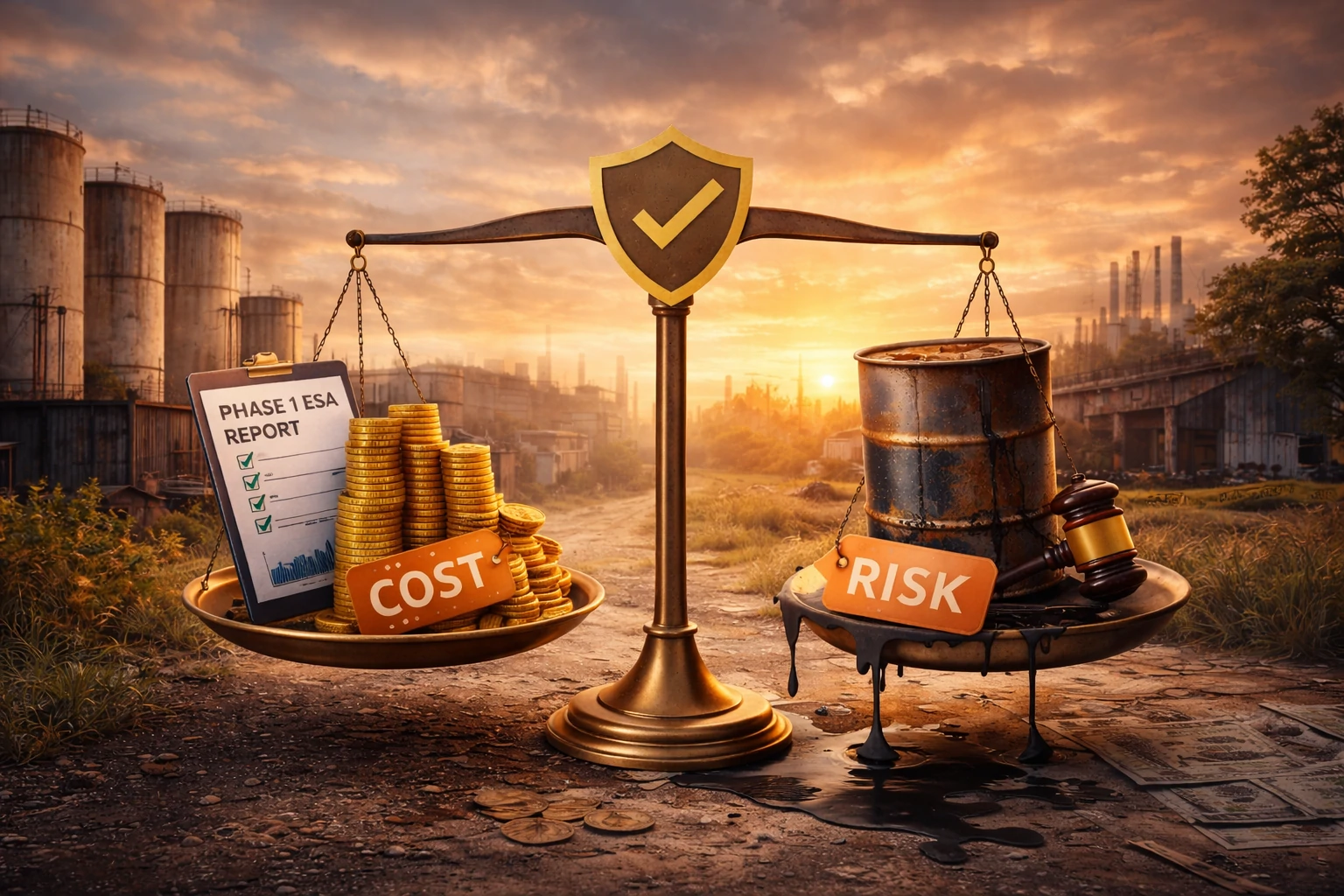
Some buyers use the report to renegotiate the price. If a problem appears, the buyer can ask the seller to clean it up. Or they can walk away before it becomes a bigger problem. This makes the ESA a powerful tool in real estate deals.
The money spent upfront is like buying insurance. It protects the buyer, the lender, and the future of the project. In most cases, that protection is well worth the cost.
Real Buyer Experience
A buyer in Texas purchased a commercial property without ordering a Phase 1 ESA. Months later, they discovered an old underground tank left by a previous gas station. Cleanup costs reached over $60,000. Had they invested $3,000 upfront for the assessment, they could have avoided the loss.
This is why experts urge buyers to request a Phase 1 ESA early, even if the seller or lender doesn’t mention it.
How Long Does It Take?
Most Phase 1 ESAs take between two and three weeks to finish. The work includes field visits, interviews, and deep research. Some firms offer faster service for an extra fee. A rush job may take just five to seven days.
The time depends on how complex the site is. If records are hard to find, or if the property is large, expect delays. You should order the ESA as early as possible. Add the time into your buying plan so you’re not stuck at the last minute.
Tips to Keep Costs Fair
- Ask two or three firms for quotes before you decide.
- Do not choose the cheapest option without checking their work.
- Confirm if the price includes all services or if there are hidden fees.
- Request a sample report to see the level of detail you can expect.
- Make sure the firm has insurance and proper licenses.
- Ask if they have worked on similar properties in your area.
- Be honest about the site’s past. Hiding facts can lead to extra costs later.
- Choose a team that asks smart questions and explains the process clearly.
When Should You Order One?
Order the ESA after your offer is accepted but before the deal closes. You need enough time to read the report and act on the findings. If you wait too long, you may miss your chance to walk away or change the price.
Always build enough time into the deal. Tell your lender and lawyer early. That way, everyone stays on track. If the report finds trouble, you still have options.
Who Can Perform a Phase 1 ESA?
- Only trained professionals can write this report correctly.
- They must hold a degree in science, geology, or engineering.
- They should have several years of hands-on field experience.
- They must understand local risks and follow federal rules.
- Many lenders or cities may require a licensed engineer’s signature.
- Always ask if the firm meets these requirements before hiring.
- Review their credentials and sample reports before you decide.
What Happens If a Problem Is Found?
The report may show a problem or suggest more testing. That leads to Phase 2. That phase can include digging holes, taking soil samples, or checking groundwater. Phase 2 is often more expensive. It may cost between $5,000 and $20,000.
Once you have the facts, you can take action. You may choose to cancel the deal. You may ask the seller to pay for cleanup. You may offer a lower price. The report gives you the tools to protect yourself.
What Is the Cost of a Phase 2 Environmental Site Assessment?
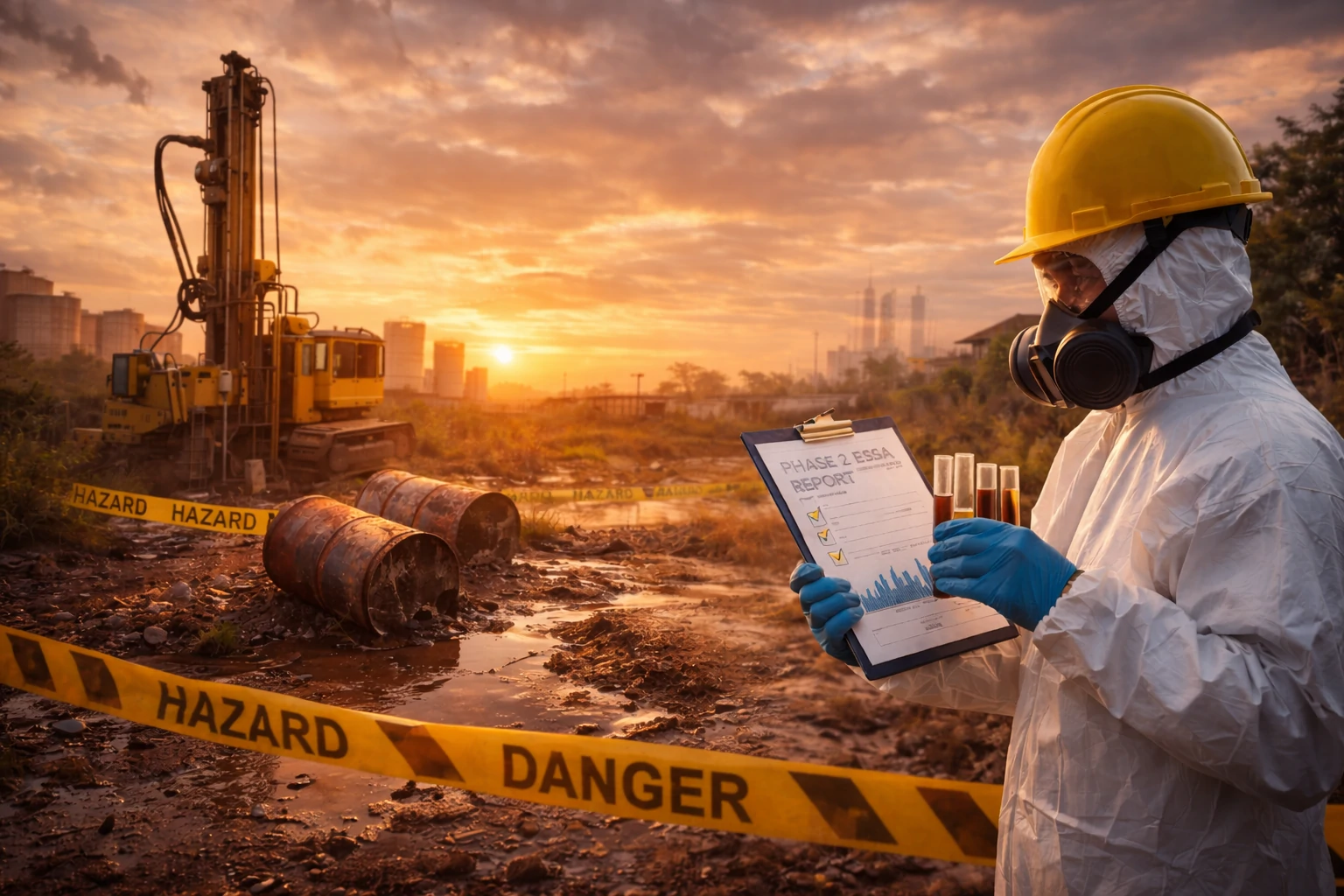
A Phase 2 Environmental Site Assessment costs more than Phase 1. This stage involves physical testing. Experts drill into the ground and collect soil or water samples. Labs then test those samples for harmful substances.
Most Phase 2 reports cost between $5,000 and $20,000. Some complex sites may cost more. The final price depends on how many samples are needed and how deep testing must go. Sites with known spills or fuel tanks often require more work.
Phase 2 does not happen in every case. It only starts when Phase 1 finds clear risk signs. This step confirms whether pollution exists and how serious it is. Buyers use this data to decide the next move.
Phase 1 vs Phase 2 Environmental Site Assessment
| Feature | Phase 1 Environmental | Phase 2 Environmental |
|---|---|---|
| Main purpose | Identifies possible environmental risks | Confirms pollution through testing |
| Type of review | Records, site visit, and visual inspection | Soil, water, or vapor sampling |
| Physical testing | Not included | Included |
| Typical cost range | $2,000 – $5,000 | $5,000 – $20,000 or more |
| When it is required | First step in most property deals | Only after Phase 1 finds risks |
| Time to complete | Two to three weeks | Several weeks, depending on testing |
| Impact on deals | Helps buyers decide or negotiate | Confirms cleanup or liability needs |
| Common outcome | No further action in many cases | Cleanup, negotiation, or deal change |
Legal Protections It Can Offer
The EPA has rules that protect buyers who do proper checks. These rules are called “All Appropriate Inquiries.” If you follow them, you may avoid future cleanup bills. That makes the Phase 1 ESA more than just paperwork. It is a shield.
You must use a qualified expert. The report must meet all federal standards. This step supports legal protection and ties into your rights as a buyer under legal advice basics. If you do that, you show you acted in good faith. If problems show up later, you are better protected.
Is the Report Always Required?
No law says you must get a Phase 1 ESA in every deal. But many banks and cities require it. If you borrow money, expect to show the report. If you build or develop land, expect to file one with your permit application.
Even if no one asks for it, getting the report is smart. It shows you are careful and protects you in ways similar to understanding your tax record, such as how Line 15000 on tax return reflects your total income.
How to Choose a Good ESA Provider
Pick someone with experience and strong reviews. Ask about past work. Look at sample reports. Make sure they follow the ASTM standards used across the U.S.
A good firm will answer your questions, explain their steps, and deliver a clear report. They will be honest about risks and explain the costs. A weak firm may leave things out. That can cause trouble later.
Why Costs May Rise in 2026
Expect costs to rise over time. Inflation raises prices. New rules may demand longer reports. Demand may rise in hot markets. There may also be fewer experts in the field.
Book your report early to avoid delays. If your project starts in 2026, ask for a quote now. Planning ahead may save you money and stress.
Conclusion
A Phase 1 Environmental Site Assessment is more than a simple check. It is a shield that protects buyers, lenders, and builders from future problems. It shows if the land is clean or risky. It gives the buyer power to act.
Most reports cost between $2,000 and $5,000. The price depends on size, use, and location. Skipping the report may save money today but cost more tomorrow.
Smart buyers take no chances. They hire the right experts, read the full report, and use the findings to make strong choices. If you plan to invest in land, start with a Phase 1 ESA. It is not just a report. It is a tool that protects your deal, your budget, and your future.
Frequently Asked Questions
Q. How much does a Phase 1 Environmental Site Assessment usually cost?
Most Phase 1 ESA reports cost between $2,000 and $5,000. The final price depends on property size, location, and past land use. Large or industrial sites often cost more due to added research and site review.
Q. Does a Phase 1 ESA include soil or water testing?
A Phase 1 ESA does not include physical testing. The report focuses on site history, records, and visible conditions. Soil or water testing only happens if a Phase 2 assessment becomes necessary.
Q. How long does a Phase 1 Environmental Site Assessment take?
Most reports take two to three weeks to complete. Some firms offer faster service for an added fee. Larger sites or complex histories may require more time.
Q. Can a Phase 1 ESA affect the property price?
A Phase 1 ESA can influence negotiations. Buyers may request repairs, cleanup, or a lower price if risks appear. Some buyers choose to exit the deal based on the findings.
Q. Is a Phase 1 ESA required for every property purchase?
Lenders often require a Phase 1 ESA for commercial or industrial deals. Private buyers may not face a legal requirement, but the report still helps reduce risk and protect the investment.