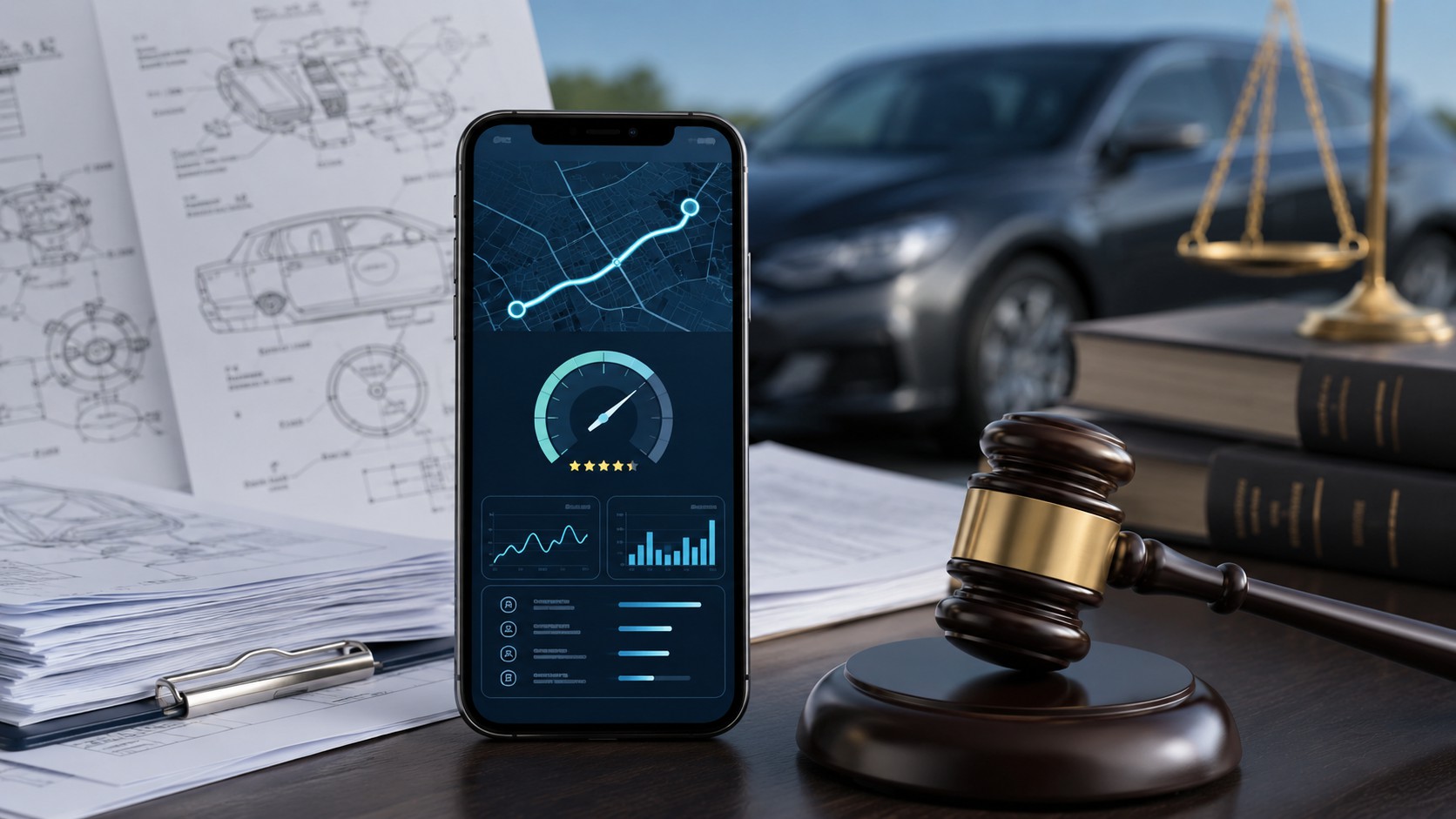
USAA’s SafePilot patent lawsuit involved claims that technology connected to its driving-monitoring app infringed intellectual property owned by another company. Lab Technology LLC filed a federal patent case against USAA Alliance Services LLC in April 2025. The dispute focused on software-related patent rights, not denied insurance claims, unsafe driving, or allegations against policyholders.
SafePilot uses smartphone data to evaluate driving behavior and calculate scores that may affect available discounts. Lab Technology argued that certain technology used with the program fell within its patent rights. The litigation later ended through a joint dismissal in March 2026, with no public court award against policyholders and no indication that the case invalidated USAA insurance coverage.
The USAA SafePilot Patent Lawsuit in Plain Terms
Lab Technology LLC filed a patent infringement lawsuit against USAA Alliance Services LLC in April 2025 in the U.S. District Court for the Western District of Texas. The case focused on technology connected to the SafePilot program and whether USAA’s use of certain software functions infringed Lab Technology’s patent rights. The dispute involved intellectual property law rather than insurance coverage, driver misconduct, or denied claims.
USAA did not admit infringement, and the case did not proceed to a final liability judgment. The parties jointly ended the litigation in March 2026. Lab Technology’s infringement claims were dismissed with prejudice, while USAA Alliance Services’ counterclaims were dismissed without prejudice. Public records do not disclose a damages award or licensing payment from the case.
What SafePilot Actually Does
SafePilot uses smartphone data to measure driving behavior and calculate a driving score that may affect available discounts. The program can track factors such as phone handling, harsh braking, and trip activity. The patent dispute did not claim that collecting this type of driving data was illegal; it focused on whether certain software functions connected to the program fell within another company’s patent rights.
Why Customers Usually Stay Outside Patent Fights
Patent lawsuits focus on the companies and technologies involved rather than on individual policyholders. Courts examine patent claims, software functions, technical records, and whether the accused technology falls within the scope of the patent. Driver scores and routine insurance coverage are not the central issues in this type of dispute.
USAA policyholders remained outside the Lab Technology case because the litigation concerned intellectual property rights tied to SafePilot technology. The dispute did not invalidate insurance contracts or accuse customers of wrongdoing, and no public ruling in the case required policyholders to change their coverage.
How a Federal Patent Case Moves Forward
A federal patent case usually begins with a complaint followed by the defendant’s response. Courts may then address claim construction, where a judge interprets key patent terms and defines the scope of the disputed technology. That step can shape later arguments about infringement, validity, and the meaning of the patent itself.
Technical experts may review software, system design, and prior inventions before the parties file additional motions. A case can end through dismissal, settlement, summary judgment, or trial. In the Lab Technology dispute, the litigation ended through a joint dismissal before a final judgment on patent infringement was reached.
How the SafePilot Patent Case Ended
The Lab Technology lawsuit did not proceed to a final infringement ruling. The parties jointly dismissed the case in March 2026, with Lab Technology’s infringement claims dismissed with prejudice and USAA Alliance Services’ counterclaims dismissed without prejudice. Public records do not show a damages award or disclosed licensing payment, and the case did not result in a court order requiring SafePilot to shut down or USAA policyholders to change their insurance coverage.
The Larger Pattern in Insurance Technology
Telematics insurance combines mobile technology with driving data to help insurers assess behavior and support usage-based pricing. Features such as trip tracking, phone-use detection, and crash-related alerts can involve valuable software and technical methods, which means patent disputes can arise when different companies claim rights over similar technology.
The SafePilot case fits within this wider pattern of technology-related litigation. Disputes over software patents also appear in areas such as digital payments, fraud detection, and mobile services. These cases usually focus on ownership and licensing rights between companies, so customers often continue using the underlying service unless a court order or business decision requires a change.
Trust, Discounts, and Public Reaction
SafePilot connects driving behavior with potential insurance discounts, but the patent dispute did not challenge the fairness of the scoring system or accuse drivers of wrongdoing. The legal issue focused on whether certain software functions fell within another company’s patent rights. Online discussion can make that type of case sound more serious for customers than the court record supports, but patent law deals with technology ownership, while insurance regulators handle separate questions about coverage, pricing, and consumer protection.
Financial Impact on the Company
Patent litigation can create legal costs and business uncertainty, but the Lab Technology case did not end with a public damages award against USAA Alliance Services. The parties jointly dismissed the case in March 2026, and public records do not disclose a licensing payment or financial settlement amount. As a result, the available record does not show a confirmed monetary loss from the case beyond the normal costs associated with defending litigation.
What the SafePilot Patent Case Means for Policyholders
SafePilot users did not become parties to the Lab Technology patent dispute, and the case did not invalidate USAA insurance policies. The litigation focused on patent rights connected to software functions rather than driver conduct, coverage terms, or claim decisions. Policyholders could continue using the app and managing their insurance under the rules that applied to their accounts.
Drivers should still keep the app updated, review policy documents, and rely on official USAA notices for any future product changes. Questions about discounts, premiums, or coverage remain separate from the patent case unless USAA or a regulator announces a specific change affecting those areas.
FAQs
What was the USAA SafePilot patent lawsuit about?
Lab Technology LLC accused USAA Alliance Services LLC of infringing patent rights through technology connected to the SafePilot program. The dispute concerned intellectual property rather than denied insurance claims or driver misconduct.
When was the SafePilot patent lawsuit filed?
Lab Technology filed the federal patent case on April 17, 2025, in the U.S. District Court for the Western District of Texas. The case was assigned No. 7:25-cv-00173.
How did the USAA SafePilot patent lawsuit end?
The parties jointly dismissed the litigation in March 2026. Lab Technology’s infringement claims were dismissed with prejudice, while USAA Alliance Services’ counterclaims were dismissed without prejudice.
Did the lawsuit affect USAA insurance coverage?
USAA policyholders were not the target of the patent claims. The case ended without a public court order invalidating insurance policies or requiring customers to change their coverage.
Did the lawsuit shut down SafePilot?
SafePilot was not shut down by a court order in this case. USAA continues to describe SafePilot as an available safe-driving program, subject to program availability and state restrictions.