
Millions of people rely on MyChart to check health records, book appointments, and message doctors. It’s a popular tool for managing medical care. Hospitals and clinics across the U.S. use it. Patients trust it with private details.
But this trust is now under question. A growing legal case against MyChart has raised alarms. Users want to know what happened. Did their private health data leak? Was the tool misused? Are hospitals or tech companies at fault?
A class action lawsuit means many people may have been harmed in the same way. The courts will review claims that patients’ data was shared without permission. This includes sensitive details diagnoses, treatments, medications, and more.
This guide explains what the MyChart class action lawsuit is about. It breaks down the claims, the timeline, and what it could mean for patients and health systems. The aim is to help users understand the case in plain language. Whether you are a patient, lawyer, or healthcare worker, this post gives the full picture.
What Is MyChart?
MyChart is an online tool that connects patients to their health records. It is not a hospital. It is software. Many hospitals and clinics use it to manage communication and records.
Patients log in to see test results. They can book visits, check bills, or message their doctor. Some use it for online checkups or to refill prescriptions.
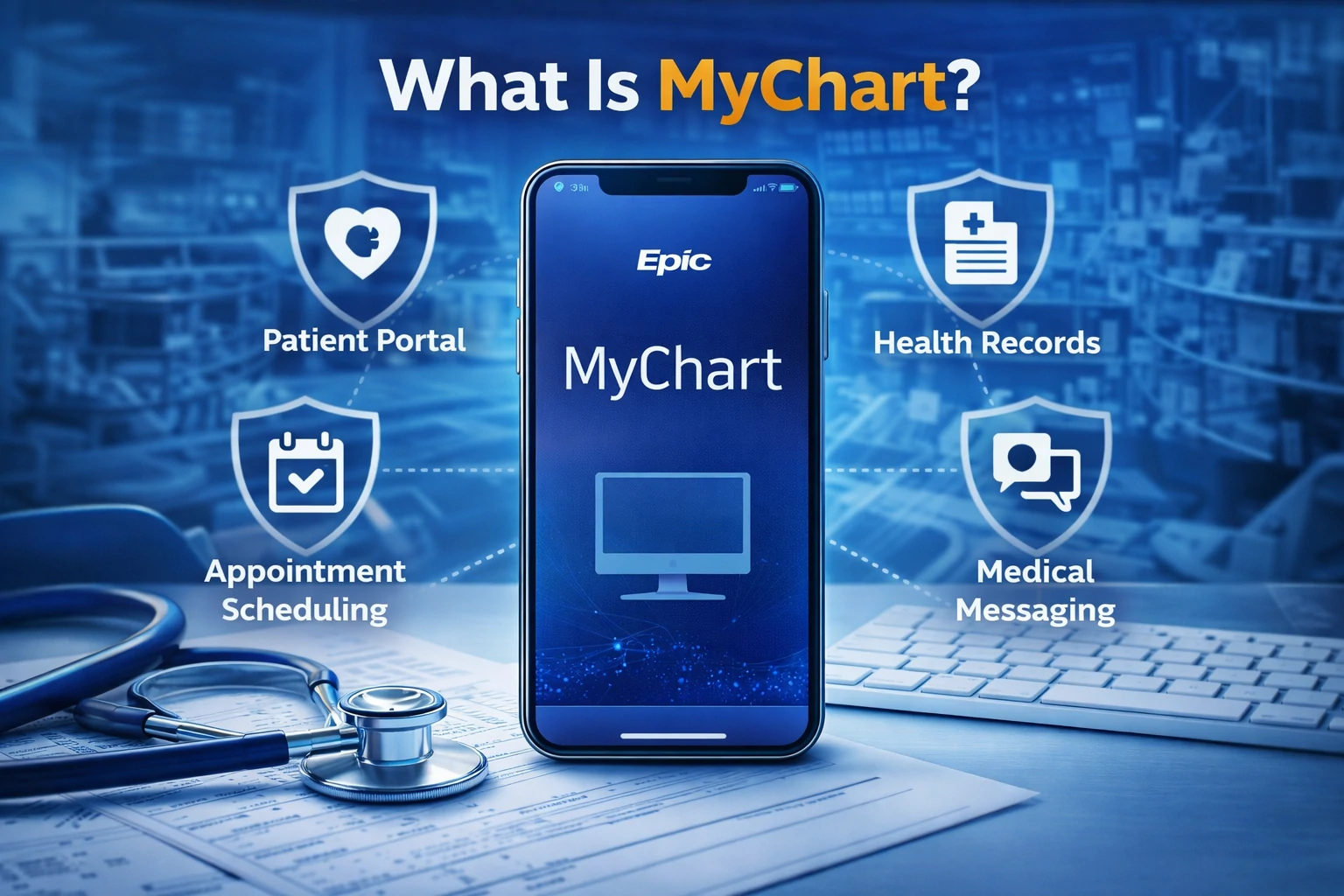
The tool is part of a larger system built by Epic Systems, a major health tech company. Epic provides digital tools to manage healthcare information. MyChart is their most visible product.
Hospitals customize MyChart to fit their own systems. But the core system stays the same. It connects patient records, doctor notes, and more.
MyChart became even more popular during the COVID-19 pandemic. It helped reduce contact between patients and staff. It also gave people access to vaccination records and test results from home.
What Sparked the Lawsuit?
The lawsuit began after reports suggested that MyChart was involved in unauthorized data sharing. The issue was not simple hacking. It was deeper. Patients allege that MyChart—or the systems behind it—sent private data to outside parties.
The lawsuit says tracking tools were built into the MyChart system. These tools may have sent health information to companies like Facebook and Google. The goal of these tools was to help websites run better. But in healthcare, this kind of tracking can break privacy laws.
Many patients did not know these trackers were active. They did not give clear consent. The lawsuit says this is a serious problem. It may break federal rules about health data, including the Health Insurance Portability and Accountability Act (HIPAA).
Some hospital systems may have added these trackers themselves. Others may have used templates or services that included them. The lawsuit focuses on how data moved through MyChart-related pages.
Who Filed the Lawsuit?
Patients who used MyChart began the lawsuit. They noticed that parts of the tool seemed to link to third-party ad trackers. Legal teams reviewed the tool’s data traffic. They found signs that private health information may have leaked.
Soon, legal firms across the U.S. joined the effort. Some focused on Epic Systems. Others looked at hospitals that added tracking codes to MyChart. Multiple class actions followed.
The suits target both the software provider and the hospitals. Some lawsuits have been filed in federal court. Others remain at the state level.
The plaintiffs are not just a few people. The cases involve thousands—or even millions—of MyChart users. Many say they would not have used the platform if they had known their health details might be shared.
What Kind of Data Was Shared?
| Type of Data | What It Reveals About a Patient |
|---|---|
| Patient names | Can directly identify an individual |
| Appointment times | Shows when and where medical care took place |
| Doctor types | Suggests the kind of medical issue involved |
| Diagnoses | Exposes private health conditions |
| Prescription details | Reveals ongoing treatments and medications |
| Symptoms | Shows personal health concerns |
| Medical history | Gives a long‑term view of a person’s health record |
The problem is not only that the data was shared. It’s also how it was shared. Tools like Meta Pixel or Google Analytics may have collected this data without patient consent.
For example, when someone clicked to schedule an appointment for cancer care, that click could have been tracked. The trackers could then share that data with ad platforms. This might shape what ads the patient sees later.
That violates health privacy laws. It also puts patients at risk. They may face unwanted ads, bias, or even discrimination.
Which Hospitals Are Named?
Several hospitals and health systems have been named in lawsuits. The list grows as more people come forward.
Examples include:
- Advocate Aurora Health (Illinois and Wisconsin)
- WakeMed (North Carolina)
- Novant Health (North Carolina)
- Cedars-Sinai (California)
- UCSF Health (California)
These hospitals used MyChart. Some added tracking tools to their MyChart pages. Patients now say that those trackers sent data to third parties.
The hospitals say they used these tools to improve service. They did not mean to break laws. But intent may not matter. Courts will decide if patients were harmed, even if the hospitals acted in good faith.
Is Epic Systems Responsible?
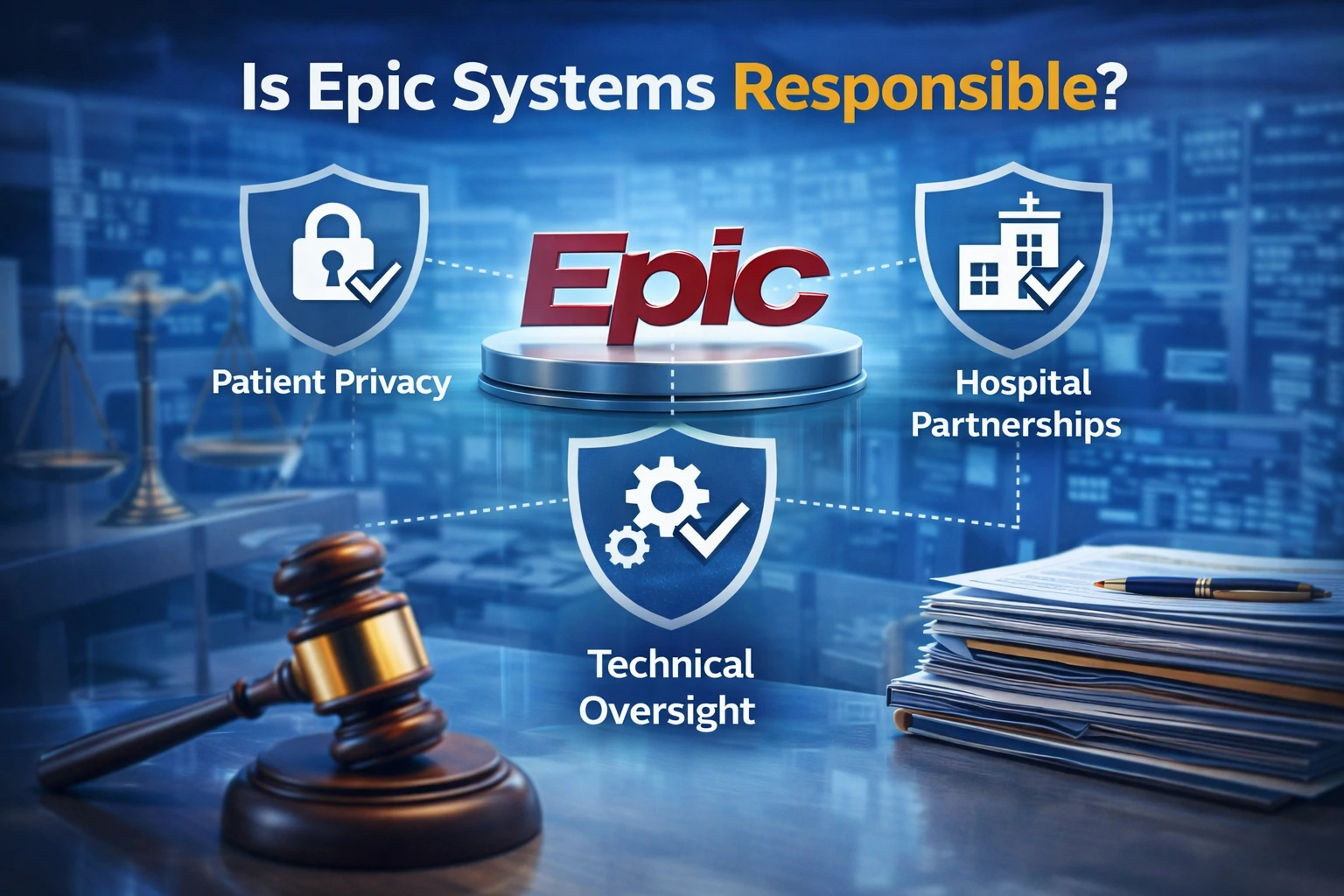
Epic Systems builds the MyChart software. But it is not clear how much control Epic had over the added trackers.
Some lawsuits name Epic. Others do not. Hospitals often host their own MyChart pages. They can customize them. That includes adding tools like Meta Pixel.
Epic has said it takes patient privacy seriously. It offers advice on safe system setup. But if hospitals added trackers on their own, Epic may not be fully responsible.
Still, courts may ask whether Epic should have done more to warn hospitals. That question is part of the ongoing legal debate.
Details on the $10.5 Million MyChart Lawsuit Settlement
Reports say the MyChart lawsuit could reach a $10.5 million settlement. This amount would cover legal fees, claim payments, and court costs. It does not mean Epic or the hospitals admit fault.
Courts often approve settlements like this to avoid long trials. Patients may receive money without having to prove each detail. This type of settlement is common in digital privacy lawsuits.
If the $10.5 million amount becomes official, the court will release full details. A case website may be created. That site will explain how to claim your part and what rules apply.
What Laws Were Possibly Broken?
| Law or Regulation | What It Protects or Covers |
|---|---|
| HIPAA (Health Insurance Portability and Accountability Act) | Protects private health data; requires patient consent before sharing any identifiable health information |
| State Data Protection Laws (e.g., California’s CCPA) | Gives consumers the right to know, control, and delete personal data collected by businesses |
| Wiretap Laws | Prohibit unauthorized recording or interception of digital communications |
| Consumer Protection Laws | Protect consumers from unfair, deceptive, or harmful business practices |
The lawsuit could involve one or more of these laws, depending on the state, the hospital, and the data exposed. Some patients may qualify for damages under HIPAA, while others could benefit from state laws like CCPA or consumer statutes. These legal protections form the core of the class action claims.
Related case: Mary Ruth Organics Lawsuit shows how health-related products can also face legal action.
What Do the Hospitals Say?
Hospitals involved in these cases say they value privacy. They often say they did not know the trackers sent health data. They may claim the data was general not enough to identify a patient.
Some hospitals took down tracking tools after news reports came out. Others launched internal reviews. Some even contacted patients to explain what happened.
The legal system will now review these responses. The hospitals will need to show they followed the rules or acted quickly when problems appeared.
What Could Patients Get?
If the courts side with the patients, they could receive:
- Money for emotional distress
- Payment for privacy loss
- Legal fees covered
- Promises that the data-sharing will stop
These cases take time. Courts must decide if patients were truly harmed. They must also decide who is at fault.
Some class actions lead to cash payouts. Others end in agreements that change how companies act. Patients may also win the right to delete or control their data.
How to Sign Up for the MyChart Class Action Lawsuit
You do not need a lawyer to sign up for the MyChart lawsuit. Most class actions include everyone who meets the rules. If you used MyChart at one of the named hospitals, you may be part of the group.

Look for legal notices online or in the mail. These notices explain your rights. They also list the law firm handling the case. The notice will tell you how to confirm your status or remove yourself if you choose.
You can also visit the law firm’s website. Many firms post updates and online forms. Signing up is often free. You fill in your name, email, and some basic info. Then, the lawyers will contact you if needed. Make sure you use a trusted law firm site and do not pay money to join.
Where to Find the MyChart Lawsuit Claim Form
If the lawsuit leads to a payout, a claim form will be required. This form allows you to receive part of the settlement. You must fill it out before the deadline.
Law firms or the court will send links to the form. They may also send letters with paper forms. Only use the official form. It will include your claim ID or instructions to prove you qualify.
Keep an eye on your email. Watch for updates from the legal team. Check the law firm’s website often. Do not fill out any form from unknown sources. Always check that the website ends in .gov, .org, or matches the listed law firm.
📢 Patient Report: Unwanted Ad Targeting
User: A MyChart patient from Illinois
Experience: “I logged into MyChart to schedule a follow-up for breast cancer screening. The next day, I saw breast cancer ads on my social feed. I never posted or searched about it publicly. It felt like someone was watching. I now question how safe these health portals really are.”
How This Affects You
If you used MyChart in the past few years, this case may affect you. Your data might have been shared without your knowledge.
You can:
- Check if your hospital is part of the lawsuit
- Ask for a copy of your MyChart data
- Watch for legal notices about the case
You may also get updates from law firms handling the class actions. These firms often post updates on their websites.
If the court approves a settlement, you may need to file a claim to receive any payout. Read all notices carefully. You do not have to pay money to join a class action.
What’s Next in the MyChart Lawsuit
The legal process will take time. Courts must:
- Review facts
- Hear expert testimony
- Allow each side to respond
- Decide if the case should move forward
Some cases may settle early. Others could take years.
Regulators may also act. The U.S. Department of Health and Human Services (HHS) has already warned hospitals about web trackers. This case may push them to enforce rules more strictly.
Tech companies may also change their policies. Meta, Google, and others could update how they handle health data.
See also: Augusta Precious Metals Lawsuit for another case involving financial risk and consumer trust.
When Will the MyChart Lawsuit Settlement Be Paid?

No exact payout date is set yet. Court approval is required before any payment can go out. This process takes time. It could take months or even a year after a settlement is reached.
Once the court approves the deal, claim forms will be sent out. The payout will happen after that, likely in stages. Each person must fill out the form before receiving payment.
If many people qualify, the court may lower the amount per person. If fewer people claim, the payment may be higher. Visit the law firm site or case portal to see updates about dates.
Expected Payout per Person in the MyChart Lawsuit
The payout per person depends on the number of valid claims. It also depends on court costs, legal fees, and the total fund. Some early estimates suggest payouts could range from $50 to $300 per person.
This is not final. The court must first approve the full settlement. Then it will divide the money among approved users. People who were more affected may get more. Others may receive a base amount.
Keep your contact details up to date. If you miss the form or the deadline, you may not get anything. Always follow the instructions in the legal notices.
💬 Real User Experience
Name: “Jordan W.” – MyChart User since 2019
Location: North Carolina
Story: “I used MyChart to book a neurology visit in 2022. A few weeks later, I saw ads about migraines and treatments on Facebook. I never searched it online. I felt shocked. I trusted the portal. Now I’ve joined the lawsuit and received my claim notice last month. I hope this changes how hospitals treat online privacy.”
Why This Case Matters
The MyChart lawsuit is not just about one app. It’s about how health tech works today. Patients trust these tools with sensitive data. If that trust breaks, the whole system suffers.
Hospitals want better websites. But they must follow privacy laws. Tools that work for retail or travel sites may not be safe for health care.
This case may set a new standard. Courts could decide how far hospitals must go to protect data. They could also shape what tech firms are allowed to do in health care.
Final Thoughts
The MyChart class action lawsuit shows the growing tension between digital health and data privacy. People want tools that make care easy. But they also want to feel safe.
This case reminds hospitals and tech firms to protect what matters most: trust. When you log in to a health portal, you should not worry about who else sees your data.
Laws will evolve. Tech will change. But one rule stays the same—patients deserve respect. That means clear rules, honest systems, and no hidden trackers.
If you are a MyChart user, stay alert. Follow the case. Read notices. Ask your provider what they’re doing to protect your data. This story may shape the future of digital health.
Another related case: Ashcroft Capital Lawsuit explores investor claims and financial disclosure issues.
Frequently Asked Questions
Who is eligible for a one-time payment on the $5.5 billion Visa Mastercard Settlement?
Merchants who accepted Visa or Mastercard payments between 2004 and 2019 may qualify. This settlement covers businesses that paid high swipe fees. A valid claim must be filed before the deadline to receive a share.
Why am I getting a class action lawsuit?
You may be part of a group that faced the same issue. Your name or information likely matched company records linked to the case. This process gives you the right to ask for compensation without filing a separate lawsuit.
What is the latest update on hernia mesh lawsuit?
New cases continue to move through U.S. courts. Some victims already received money. Others still wait for trial dates or settlement terms. Many claims focus on pain, infection, and surgery caused by failed mesh products.
What is a BD Settlement payout?
The BD Settlement involves claims against Becton Dickinson. The lawsuit says the company blocked fair competition in medical supply sales. Payments go to affected buyers once the court approves the fund and claims are verified.
What is the average payout per person for a class action lawsuit?
Most people get $20 to $300, depending on the case. Some may get more or less. The payout amount depends on how many people join the case, how much harm they faced, and how big the settlement fund is.
How much compensation will I get for a data breach?
Your payment depends on what kind of data leaked and how it affected your life. If the breach caused fraud or stress, the court may award more. Some people get cash. Others get free identity protection or credit monitoring.



Pingback: Life360 Class Action Lawsuit 2026 Overview