Costco is one of the most trusted retail stores in Canada. It offers bulk goods, low prices, and a wide range of items for members. Many Canadian households rely on Costco to stretch their budgets. The membership-based model works well for people who shop often.
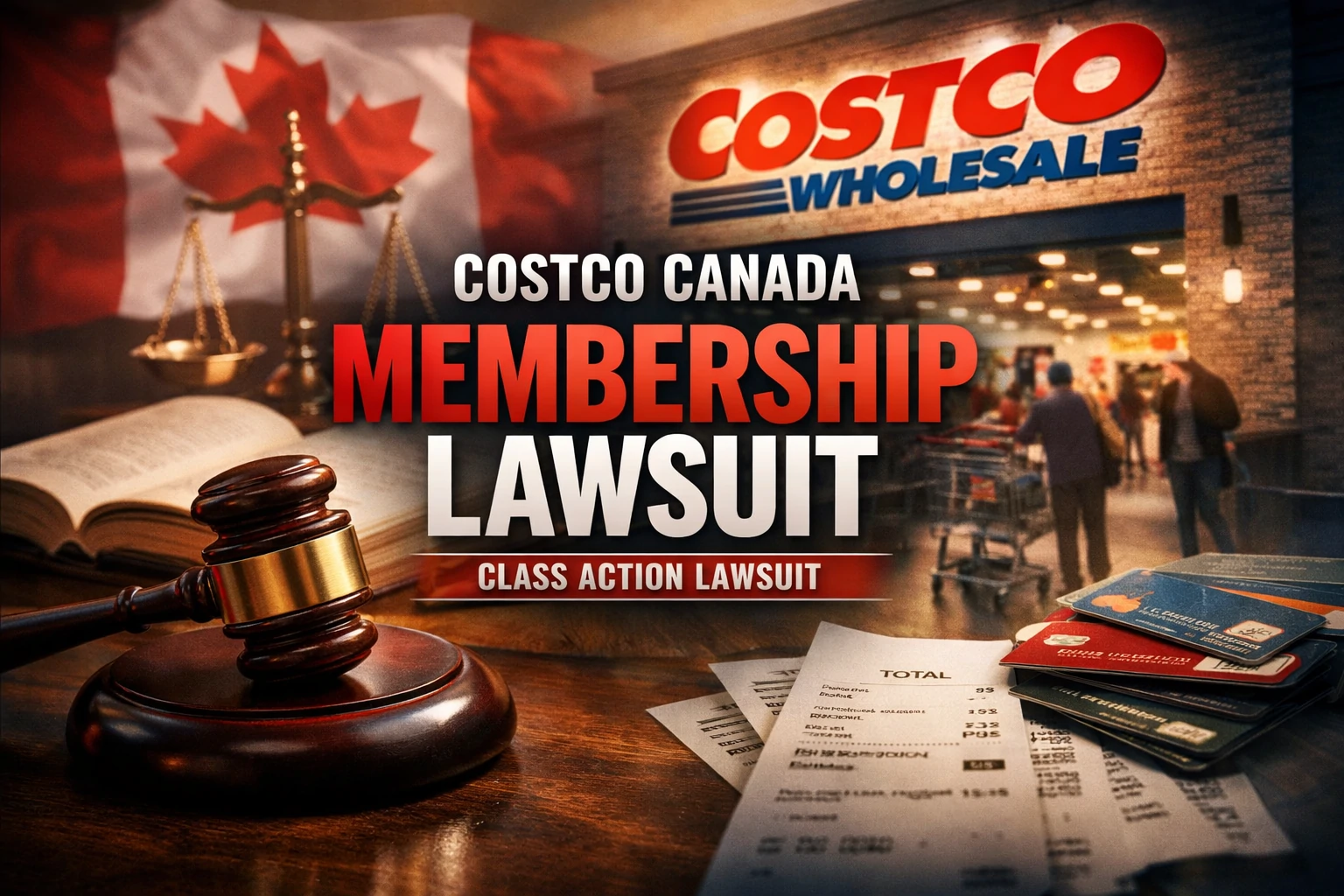
However, not every experience with Costco ends in savings. Some customers now claim that the company charged them unfairly. The charges were linked to automatic membership renewals. These shoppers did not feel they had control over when or how much they paid. As a result, a class action lawsuit has been filed against Costco Canada.
This legal case has brought up serious questions. Did Costco provide clear terms? Did it get proper permission before billing members again? Are Canadian consumer rights at risk? These questions now sit in front of the court.
This article covers the entire story. It explains the legal steps, who the case affects, and what could happen next. If you live in Canada and have a Costco membership, this lawsuit could matter to you.
Where The Issue Started
The case began with a few shoppers who noticed unexplained charges. They saw automatic renewals on their bank statements. Some had tried to cancel their memberships before the charges appeared. Others said they never agreed to auto-renew in the first place.
Many customers pay for Costco using credit or debit cards. This makes it easy to renew each year. But easy does not always mean fair. The lawsuit claims that Costco failed to ask for consent. Some members said they received no warning. Others said they could not find a clear way to cancel or request refunds.
The plaintiffs believe these actions broke consumer protection laws in Canada. They say the company should have done more to explain the rules. They also argue that Costco made it too hard for people to take back control.
Did Costco overcharge Canadian members?
Some Costco shoppers in Canada have raised concerns about price differences. These issues involve shelf prices, online listings, and final checkout totals. Customers say the price shown on the shelf did not always match what appeared on their receipt.
Several members reported that discounts failed to apply at checkout. Others noticed different prices between in‑store signs and online product pages. These differences led to confusion and frustration. Shoppers felt unsure about what price they actually agreed to pay.
Consumer protection laws in Canada require clear and accurate pricing. When the displayed price differs from the charged price, stores may face legal risk. This concern connects closely to the current class action discussion. It adds another layer to the broader issue of billing transparency at Costco Canada.
Price Concerns Raised By Multiple Shoppers
Some shoppers believe price discrepancies did not happen only once. They say similar issues occurred across different stores and regions. When many people report the same problem, it raises questions about system-wide practices.
Class action cases often grow from repeated complaints. If many members experienced price differences in similar ways, courts may review whether the issue qualifies for group action. This does not confirm fault. It only shows that shared experiences can trigger legal review.
In the Costco Canada situation, price concerns support the wider claims about billing clarity. They show why some members feel the company did not provide enough control or transparency during purchases.
Understanding Class Action in Canada
Class action lawsuits allow groups of people to speak with one voice. This case has been filed as a proposed class action. That means one or more people are asking the court to let them represent many others.
The claim says Costco acted without consent. It also says the company continued to charge people who had already asked to cancel. This could be a breach of contract and a violation of consumer laws.
Each Canadian province has rules that protect shoppers. These rules say that businesses must explain terms clearly. They must also allow people to cancel without long delays or hidden tricks. The plaintiffs say Costco broke these rules. They want the court to stop these practices and order refunds.
Who the Lawsuit May Affect
Millions of people hold Costco memberships in Canada. Most members renew once a year. Some choose to renew manually. Others let Costco charge them automatically.
This lawsuit focuses on the second group. These are the people who used auto-renew and felt it was forced or unfair. If the court approves the class action, many members could qualify to join. This could include:
- People who were charged after asking to cancel
- People who never agreed to auto-renew
- People who tried to get a refund but could not
If you fall into one of these groups, the outcome may affect you.
What the Plaintiffs Want
The people behind the case are asking for several things. First, they want Costco to stop the current auto-renew system. They believe the system needs better consent, clearer notice, and easier cancellation. Second, they want refunds for any charges that were made without permission.
They also want Costco to update its terms. That means simple language, no hidden steps, and full access to cancel online. In short, the plaintiffs want Costco to treat members with more care.
Costco has not agreed to any of these points. The company denies the claims and says it follows all Canadian laws.
How Costco Defends Itself
Costco says its policies are clear. The company believes that members know what they agree to when they sign up. It points to the membership terms posted online and given at signup. These terms mention auto-renewal. Costco says that if a member uses a credit card, they can expect to be charged each year.
The company also says cancellation is easy. Members can cancel in-store, online, or through customer service. Costco believes this proves that it did not block or trick members.
The court will now decide which side has the stronger case.
Costco is not alone in facing legal claims. The Augusta Precious Metals lawsuit also raised questions about customer trust, though in a different industry.
Steps in a Class Action Lawsuit
The legal process takes time. The court must first approve the case. This step is called “certification.” The judge looks at the facts and decides if the case should go forward as a class action.
If the judge agrees, the lawsuit enters the next phase. Both sides must share records and give answers. The court will listen to both sides and review all evidence. If the case does not settle, it may go to trial.
During this process, the court will also decide how people can join. Many class members do not need to take action right away. If the lawsuit wins, they may receive money automatically or through a claim form.
How members can join the case
Many people search for ways to join a class action lawsuit in Canada. In most cases, members do not need to sign up right away. Courts usually approve the case first. After approval, notices go out to affected people.
These notices may arrive by email, mail, or public announcement. They explain who qualifies and what steps to take. Some cases allow automatic inclusion. Others require a simple claim form.
Costco members should keep receipts, bank records, and emails. These documents help confirm eligibility if the case moves forward. Joining a class action does not require hiring a lawyer. The legal team represents all approved members.
What The Outcome Might Look Like
There are several possible outcomes. The court may dismiss the case. That means Costco wins and nothing changes. The court may also let the case move forward but limit the group size. Only some customers would qualify for compensation.
Another result could be a settlement. That means Costco agrees to pay money and update its policies. This does not mean Costco admits guilt. It means the company wants to avoid a longer court case.
A trial could also happen. If Costco loses in court, it may have to pay refunds, legal costs, and fines. It may also need to change its renewal and refund rules.
Impact on Members
If you shop at Costco and use auto-renew, this case matters. You may have been charged without clear notice. You may not know if you agreed to the terms. You may also have faced delays in getting a refund.
This lawsuit asks whether Costco did enough to protect your rights. It also tests how far Canadian law can go to protect everyday shoppers.
If the case moves forward, you could get a letter or email. That notice would explain your rights. You can choose to join the class or leave it. If you join and the case wins, you may get some money back.
Why This issue Affects Everyday Shoppers
This lawsuit is not just about Costco. It raises big questions about how stores handle billing, consent, and trust. Many people today pay with credit cards and store apps. They often click “agree” without reading the fine print. Companies know this. Some use it to their advantage.
But Canadian law protects shoppers. It demands fairness, honesty, and easy exits. If companies break these rules, courts can step in. This lawsuit tests that power.
It also reminds people to check their statements. You should not pay for something you did not ask for. You should not have to fight for your own money.
What You Can Do Now
Start by checking your Costco charges. Look at bank or card records for the past two years. If you see unexpected renewals, write them down. Also check if you ever tried to cancel but failed.
Save any emails or receipts that prove what happened. These documents may help if you join the case later.
Stay alert. News about the lawsuit may appear in headlines or online legal pages. You can also visit the website of the law firm handling the case. They may post updates and explain your rights.
You do not need a lawyer to join. If the class is approved, the lawyers will speak for everyone.
The Ashcroft Capital lawsuit also questioned how companies handle client money and clear terms, much like Costco now faces.
Where This Lawsuit May Lead
The Costco Canada class action lawsuit could shape how memberships work in the future. It highlights a growing concern about auto-renewals and unclear terms. Many people trust Costco. They like the value and the service. But trust should not hide unfair charges or blocked refunds.
If the court finds Costco at fault, thousands of members may get refunds. The company may need to change how it runs its membership program. If the court sides with Costco, it will send a message about how far companies can go.
In either case, shoppers should pay attention. You deserve fair billing. You have a right to clear terms. And if something feels wrong, you have the power to speak up.
This case is still ongoing. But its message is clear. Consumer rights matter in every store, in every province, and with every purchase.