


Many people trust period products because they feel personal. A tampon is not just a normal product. It goes inside the body. That is why people expect it to be safe, clean, and honest.
In recent years, more users started asking tough questions about tampons. Many people want to know what tampons contain. Some want proof of safety. Others want ingredient lists that brands should clearly show. This growing demand for transparency is one reason tampon lawsuits have become more common.
The Lola tampons lawsuit has become a trending topic for the same reason. People search it because they want real answers. Some users want to know if Lola is being sued. Some want to know what the lawsuit claims. Some want to know if there is a settlement. Many also want to know what they should do next if they used Lola tampons.
This guide explains the situation in simple terms. You will learn what the lawsuit alleges, what safety concerns exist, what Lola says, and what your legal options may look like. This is not a rumor post. This is a full consumer guide built to help readers make smart choices.
Why the Lola tampons lawsuit became a trending search
People search this topic because it connects to real fears. A tampon can cause irritation or discomfort even if used correctly. If a person believes a product did not work as expected, it creates panic. It also creates questions about safety and quality.
In the past, many consumers did not think about tampon materials. They assumed all brands worked the same way. That thinking changed. Social media, lab testing conversations, and medical discussions pushed people to learn more. People now want to know what brands use inside these products.
Reports and claims about tampon shedding, unraveling, or leaving fibers behind have also become a concern across the industry. Some lawsuits in the tampon space focus on product design problems. Other lawsuits focus on label claims such as “organic” or “100% cotton.”
This is why consumers now research brands more deeply. The keyword lola tampons lawsuit became popular because it signals a bigger question. The bigger question is simple.
Can I trust what I am using?
Is Lola really facing a lawsuit?
A proposed class action lawsuit has been reported against ALYK Inc., the company linked to LOLA products, based on allegations that some tampons can unravel or shed fibers during use. Reporting about this includes coverage from legal news sources and consumer lawsuit reporting websites.
Important note: a lawsuit does not mean guilt. A lawsuit means a claim has been filed in court and the legal system will decide what happens next. Many lawsuits end in dismissal. Some end in settlement. Some continue for years.
Still, consumers have the right to learn what is alleged, especially when it involves a product used inside the body.
What the lawsuit allegations are about (simple explanation)
The Lola tampons lawsuit centers on claims about product quality and user safety. The case suggests that some customers expected a more reliable product. The lawsuit argues that the tampons should stay firm and intact during normal use.
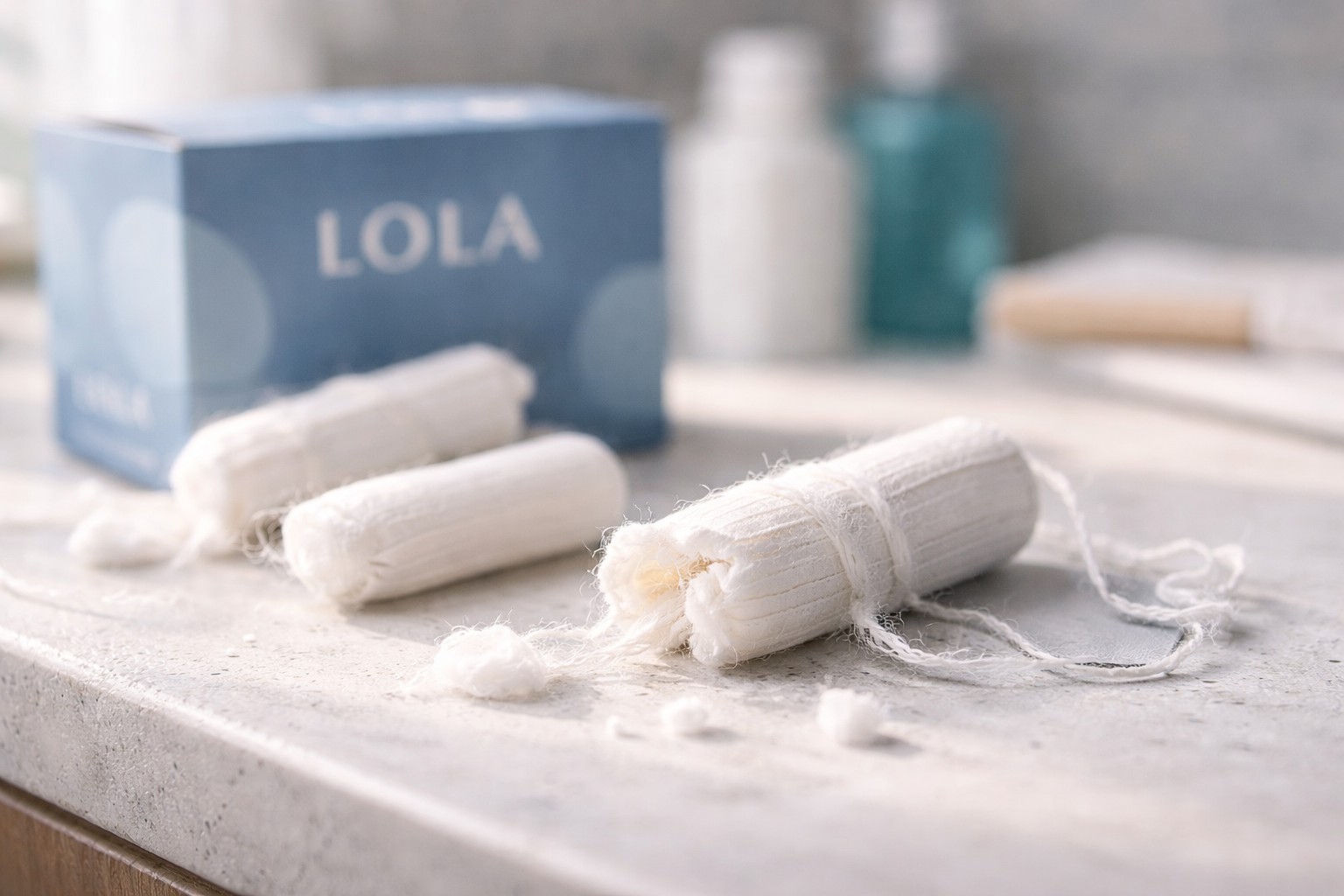
The main allegation is simple. The lawsuit claims that some Lola tampons may come apart inside the body. It says cotton fibers may loosen during use. Some users say they noticed string-like threads. Some also claim they saw cotton pieces after removing the tampon. In a few complaints, people say the tampon looked torn or misshaped after use.
The lawsuit also connects this issue to possible health concerns. It claims that cotton residue left behind may cause irritation. It may lead to pain, swelling, or discomfort for some users. The case suggests that this risk becomes more serious when the fibers stay inside without the user noticing right away.
Some reports connected to the lawsuit also point to a design concern. The claim suggests the tampon may not have enough structure to hold the cotton together. Many tampons have a layer that keeps the material tight. The lawsuit argues that a weak structure may allow the cotton to separate more easily.
This part matters most. These points are allegations, not proven facts. A court must review evidence before reaching any conclusion. Still, these claims explain why more buyers now search for answers and pay closer attention to tampon safety.
What users say the problem feels like
Most people do not follow court cases. They follow real stories. When someone feels pain or discomfort from a personal product, they do not wait for legal updates. They search online and compare their experience with others.
That is why this topic keeps trending. Many users describe the issue in plain, emotional words. They do not describe it like a lawsuit. They describe it like a scary moment.
Some users say the tampon feels rough or dry. A few say it does not feel smooth during use. Others claim the tampon does not open the way they expect. Some say it looks damaged or uneven after removal. A few complaints mention loose fibers or cotton threads that appear after use.
Several people also say they felt irritation right away. Some report discomfort that lasted after removal. Others say they felt soreness and swelling. These experiences vary from person to person, but the fear often feels the same. People worry something stayed inside the body.
One public FDA report also describes a concern about tampons coming apart and leaving cotton material behind. This type of report does not prove the product is unsafe. It does show why some consumers feel stressed and want answers. When the product relates to intimate health, even one bad experience can feel serious.
Real Reader Experience (Personal Note)
A reader shared a simple experience that many people relate to. They said the tampon felt rough and looked uneven after removal.
The reader did not panic, but they felt worried because they noticed loose cotton threads.
They switched products, saved the box, and wrote down the date and symptoms.
The symptoms improved within a short time.
This does not prove a product defect. Still, it shows why users search for answers.
Personal care products should feel safe and predictable every time.
Note: This experience is shared for general awareness only. Results differ from person to person.
Ingredients and material questions people ask about Lola
Many customers choose Lola because the brand promotes a cleaner image. People often think of Lola as a simple and modern option compared to traditional brands. Some product pages and listings describe the tampons as 100% organic cotton, which makes many buyers feel safer.
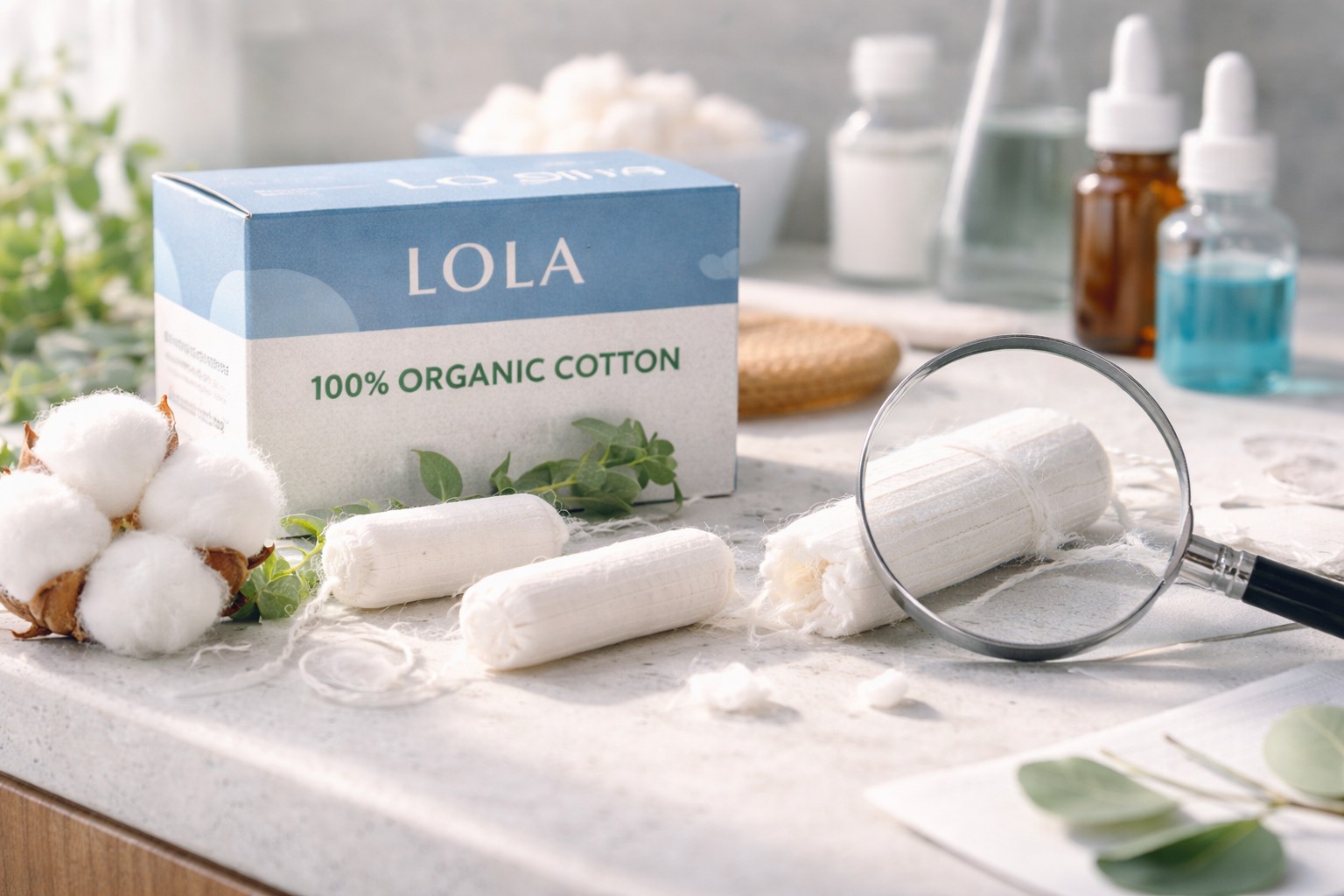
That type of label also creates new questions. Shoppers today do not just ask if a tampon works. They ask what it contains and how it gets made. They want to know what touches their body.
Here are the most common questions people search online:
- Does the tampon include any added chemicals?
- Does it contain bleach, fragrance, or dye?
- Does it use synthetic fibers or plastic blends?
- Can cotton carry chemical residue from farming or processing?
- Does “organic cotton” mean third-party verified?
These questions are not only about Lola. They reflect a bigger shift in the market. People now demand transparency from period product companies. Consumers want brands to explain materials in a direct way, not in vague marketing words.
Consumer Reports has also raised a fair point in public discussions about “organic” labels. Even products marketed as organic can still raise concerns depending on how companies process the materials and what they disclose. That is why ingredient clarity remains a big consumer rights topic, even outside any lawsuit.
Do Lola tampons contain heavy metals?
This question became popular after studies and news discussions raised concerns about metals in some tampons in lab testing. This led to FDA attention and public safety questions.
Lola responded publicly and stated that third-party testing did not detect lead, cadmium, arsenic, mercury, antimony, and other metals in its tampons, pads, and liners.
So the honest answer is:
- Public concern about tampon metals exists
- The FDA became aware after a 2024 study discussion
- Lola has published testing claims saying metals were not detected in their products
This is exactly how a helpful legal blog should frame the topic. Clear. Fair. Not emotional.
Safety concerns people should take seriously
Even when a person does not join a lawsuit, safety matters. Here are concerns often discussed in tampon-related claims and public discussions.
Fiber shedding or unraveling
If fibers stay inside the body, they can create discomfort. A retained foreign object can also raise health risks.
Irritation and abrasions
A scratchy tampon can irritate sensitive tissue. That can lead to pain or inflammation.
Infection concerns
Any situation that leads to retained fiber or irritation can increase the chance of bacterial issues for some users.
Toxic shock syndrome (TSS)
TSS is rare but serious. This is why tampon instructions always mention time limits. Some users worry that fibers left behind could increase risk. FDA reporting complaint text also shows this concern from a user.
This does not mean a person will get TSS. It means users should treat tampon safety seriously.
What Lola says about safety and trust
Lola has published statements about testing and product safety. In their blog content, the company shared third-party testing results and stated heavy metals were not detected, and they plan regular testing.
Brands often defend their products in situations like this. Some cases end with updates to labeling. Some end with refunds. Some end with no changes.
This is why a consumer guide must include both sides. It builds trust and it also reduces legal risk for publishers.
Is there a Lola tampons lawsuit settlement?
Many people search “Lola tampons lawsuit settlement” because they want a simple answer. Most readers want to know one thing fast. They want to know if money is available right now.

At this time, a clear public settlement may not exist or may not be confirmed in a way that allows consumers to file claims. Some websites talk about the lawsuit and possible results. Still, lawsuit talk online does not equal a real settlement. A settlement only becomes real when the case reaches an official legal outcome and the court approves it.
This is how it usually works. A class action lawsuit moves through legal steps. Lawyers present arguments. The court reviews evidence. The company may defend itself. Some cases end early. Some cases continue for a long time. Many class actions take months or even years before they reach any final result.
If the Lola case reaches a settlement in the future, it will follow a clear structure. Most class action settlements include important details such as:
- Who qualifies to file a claim
- The deadline to submit the claim
- What type of payment people may receive (cash, gift card, store credit, or voucher)
- What proof the person must provide (receipt, email order, subscription record)
This is the key point for readers. Do not trust posts that promise fast payouts. If a settlement becomes real, the claim process will appear through official legal documents and a real settlement website. Until that happens, the safest approach is simple. Focus on facts, track updates, and keep proof of purchase if you bought Lola products.
Many class actions follow a similar process, including eligibility rules, deadlines, and claim steps. You can also see how this works in our guide on the Class Action Lawsuit Bread Price Fixing in Canada 2026.
Who may qualify if a class action becomes active?
If a class action moves forward and becomes certified, eligibility often includes:
- People who purchased Lola tampons during a listed time period
- People who still have receipts, emails, or subscription records
- People who used products and faced issues described in the allegations
There are two common claim types:
Economic loss claim
This means you seek money back because you bought the product under claims you believe were misleading.
Injury claim
This means you seek compensation because you believe a product harmed your body.
Not every lawsuit includes injury claims. Some focus only on refunds and marketing claims. A reader should speak to a lawyer if they believe they suffered an injury.
What you should do if you used Lola tampons
This section matters most because it helps real people. Many readers feel nervous after they see lawsuit headlines. Some used Lola tampons in the past. Some still use them today. People often ask the same question.
What should I do now?
The right step depends on your body and your experience. Not every person has a problem. Still, it makes sense to stay careful with any product used inside the body.
Quick Safety Checklist (60 Seconds)
If you used Lola tampons and feel worried, use this simple checklist.
It helps you stay calm and take the right next step.
- Check symptoms: pain, burning, swelling, bad odor, fever
- Check the tampon: torn shape, loose cotton, threads
- Stop use if needed: switch to a product that feels safer
- Save proof: receipt, email order, subscription record, box photo
- Write notes: date used, absorbency type, symptoms timeline
Important: If you suspect cotton pieces stayed inside your body, contact a medical provider.
Do not use unsafe home methods.
This checklist is for awareness only. It does not replace medical or legal advice.
1) Stop using them if you feel discomfort
Do not ignore pain or irritation. Your body gives warnings for a reason. If a tampon feels rough, dry, or painful, stop using it. Switch to another brand that feels safer for you. Comfort matters. Safety matters even more.
2) Get medical help if symptoms appear
Some symptoms need attention. You should contact a medical provider if you notice:
- burning
- swelling
- irritation
- unusual discharge
- a strong bad smell
- fever
- dizziness
- stomach pain
A doctor can confirm what is happening and reduce risk. If you suspect a piece of cotton stayed inside, treat it as urgent. Do not wait.
3) Keep proof that you bought the product
If the case turns into a certified class action or settlement later, proof may matter. You do not need proof for every situation, but it helps.
Save any of these items:
- store receipts
- order emails
- subscription confirmation
- screenshots of online purchases
- photos of the box and product label
- batch number or product code if it appears
Even one clear screenshot can help later.
4) Record what happened in simple notes
Memory fades fast. A short written record helps if you decide to speak with a lawyer. It also helps if you report a complaint.
Write down:
- the date you used the product
- what symptoms you noticed
- how long you wore the tampon
- the absorbency type
- what the tampon looked like after removal
- photos, only if you feel comfortable and safe
Keep the notes private and organized.
5) Follow only real lawsuit updates
Many fake settlement posts appear online. Some websites use lawsuits to get clicks. Some even use false claim links. Do not trust random “claim now” pages.
Only rely on official sources such as:
- court updates
- trusted legal news
- confirmed settlement websites (if one becomes active)
- a licensed attorney
Until an official settlement exists, no one should promise guaranteed payouts.
How to check if your tampon unravels or sheds
Many consumers search this question on Google because they want a clear and safe answer. You can check signs without panic. Simple steps can help you stay safe.
Look at the tampon after you remove it. A normal tampon should stay firm and hold its shape. If it looks torn, shredded, or uneven, stop using that box. Use a different product instead.
Pay attention to any cotton threads or loose pieces. If you think fibers stayed inside your body, contact a doctor right away. Do not try risky home methods to remove anything. A medical professional can handle it safely.
If the problem happens more than once with the same product, you can report it. Consumers can file complaints with regulators. The FDA accepts medical device reports for product concerns.
Why tampon ingredient labeling is controversial

Many people think tampons must list full ingredients. In reality, ingredient disclosure rules have historically been limited. This is part of why transparency became a major topic.
Vogue previously covered this debate and explained that menstrual products are regulated as medical devices and ingredient labeling has been a long public issue.
That does not mean brands are hiding things. It means the rules have not always matched consumer expectations.
Can you sue Lola for personal injury?
Many people ask a simple question. Can I sue a tampon company?
The answer depends on your situation and the facts.
A person may have a personal injury claim if they believe:
- a product defect caused harm
- the company did not warn about a known risk
- product marketing misled buyers
- the product caused medical issues or injury
Personal injury cases usually need strong support. This may include:
- medical records
- proof of the product used
- a clear timeline of symptoms
- expert review in serious cases
Not every complaint qualifies as a lawsuit. Each case is different. A licensed attorney can review your situation and explain what options you may have.
Can you get a refund without a lawsuit?
Yes, in some cases.
A lawsuit does not stop consumers from taking simple steps. You may still:
- contact Lola customer support
- request a refund or replacement
- cancel subscriptions if you use auto delivery
This option is often faster than waiting for court updates. Many users prefer it because it gives quick results.
How long do class action lawsuits take?
Many readers search this because they want a quick timeline. Most class action lawsuits move slowly. The process often takes time.
Some cases take months just to reach early court steps. Larger cases can take years. Appeals can also add more time.
Some class actions settle early. Others continue for a long period with no clear deadline.
A fair way to explain it is simple:
This case may take time, and settlement details may change.
Common myths people believe about tampon lawsuits
Many people read one headline and jump to conclusions. That creates confusion. These are some common myths people believe about tampon lawsuits.
A lawsuit means the product is dangerous
Not always. A lawsuit starts as a claim. It does not prove anything on its own. The court must review the facts and make a decision.
Every buyer gets paid
This is not true. Most class actions have rules. Only people who meet the settlement terms may qualify. Some people may also need proof of purchase.
You must have an injury to join
Not always. Some cases allow refund claims even without injury. It depends on what the lawsuit focuses on and what the court allows.
Reddit posts prove what happened
Social posts can show what people feel or report. They can also help others compare experiences. Still, they are not legal proof. Courts rely on evidence, not online comments.
Many class action cases work the same way, including refund disputes such as the Costco Canada Class Action Lawsuit Over Membership Charges.
Final thoughts
The Lola tampons lawsuit is more than a trending search term. It shows how consumer habits have changed. People now demand transparency. People want safer personal care products. Honest answers matter more than ever.
This topic can still matter even if you used Lola tampons without any problems. Lawsuits often push brands to improve product standards. They can lead to clearer labeling. They can also help consumers learn what rights they have when safety questions come up.
If you used Lola products and felt irritation, discomfort, or signs that cotton fibers stayed inside, take it seriously. Your health should come first. Stop using the product if it causes pain. Save proof of purchase if you still have it. Then speak with a medical provider if symptoms appear. A legal professional can also help if you believe the product caused harm or financial loss.
A smart consumer stays calm and informed. Do not panic. Focus on facts, safety, and your rights.
Note: This article is for general informational purposes only and does not provide legal or medical advice. For personal guidance, speak with a licensed attorney or qualified healthcare provider.