
Mary Ruth Organics gained a strong reputation in the supplement world. Many families welcomed its products with hope. The brand promised vitamins and wellness items that used clean ingredients. Parents and health‑conscious adults trusted that message.
This trust came under pressure in 2021. A recall happened. It concerned a probiotic product meant for infants. That news spread fast. It made many people uneasy about safety.
Soon after, the company faced a lawsuit. The claim did not involve safety, but packaging design. The two events appeared together in media. They confused many buyers.
This article will lay out what really happened. You will read simple facts. You will see how the events differ. You will learn what buyers should know before choosing a supplement brand.
What Is Mary Ruth Organics?
Mary Ruth Organics sells a wide range of wellness items. It offers liquid vitamins, probiotics, and other daily supplements. The brand markets itself as organic, vegan-friendly, and free from artificial fillers. Many buyers liked that message. They saw it as a safer way to support health.
The founder shared a story of healthy living and clean nutrition. She spoke of caring for family health and giving children a good start. That story helped the brand feel personal and trustworthy. People liked the idea of vitamins that felt gentle and natural.
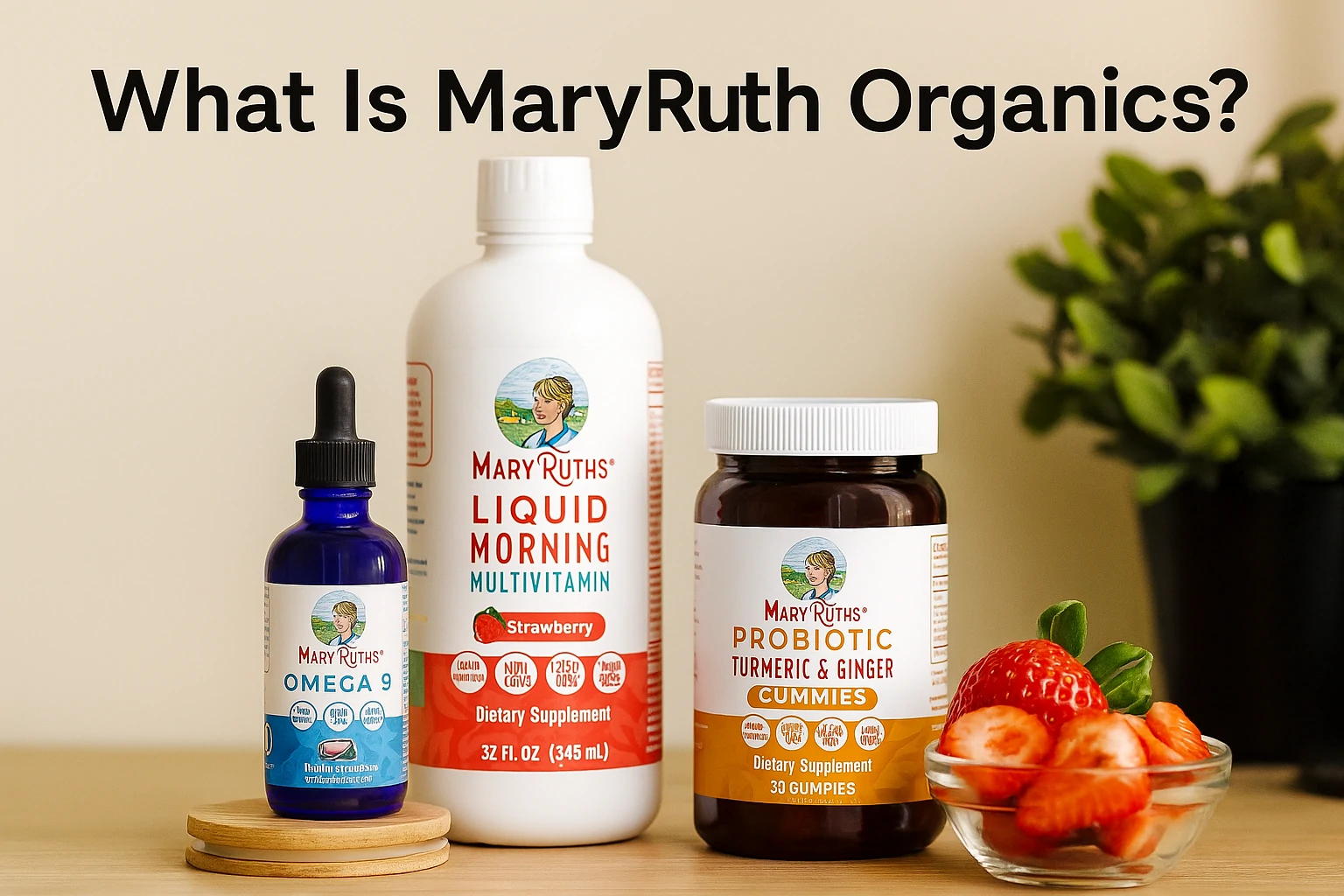
The bottles and labels used calm colors and simple design. That design matched the brand’s message. New buyers often felt attracted to that style. That clean presentation helped the company stand out in a crowded market.
The trust built through story, design, and marketing had strong power. Many buyers believed in the brand deeply. Some used its products daily, especially for children. That trust made the recall and the lawsuit feel more serious.
The Infant Probiotic Recall
In 2021 the company recalled two batches of its infant probiotic product. Tests found possible contamination in those batches. The bacteria identified could cause serious health issues. It posed a risk especially to infants with weak immune systems.
The company contacted retailers and customers once it found the problem. It advised to discard the affected bottles. It offered full refunds to buyers of those batches. It also publicly announced the recall to alert parents and caregivers.
Many parents felt shocked. They had bought the probiotic thinking it was safe for babies. They worried whether they had used the contaminated bottles. Some checked their cupboards and receipts to see if they had the recalled lots.
This recall changed how people viewed the brand. Some lost trust entirely. Others saw the recall as a one‑time issue. They hoped the brand would improve safety checks. The recall showed that even trusted supplement makers can have problems.
A Lawsuit Over Packaging
After the recall public news, the company faced a legal claim. Another brand argued that the look of Mary Ruth bottles copied their own design. The claim targeted visual similarity rather than product content. The lawsuit said this similarity could mislead customers.
The dispute centered on “trade dress,” a legal term for the look and feel of products. The challenger pointed at label colors, fonts, and layout. They argued that many customers might confuse the products. That confusion could harm both brands.
The court reviewed the claim thoroughly. It examined whether the design looked too close to the other product’s style. After review, the court dismissed the lawsuit. The judge found no strong proof of deliberate imitation or real consumer confusion.
Many buyers heard about this lawsuit as though it involved safety issues. That misunderstanding added more fear. Even after the dismissal, the case left doubts in the minds of some. Many people saw it as part of a bigger trouble.
Are the Two Events Related?
The recall and the lawsuit are not the same. They deal with different issues. The recall addresses product safety. The lawsuit addresses presentation and marketing.
The recall involved possible contamination in infant probiotic bottles. That raised health risks. The lawsuit had nothing to do with what was inside the bottles. It related only to how packages looked.
Still, many readers treat them as one big problem. They talk as if the lawsuit and the recall prove the brand is unsafe. That view mixes two very different matters. That mix leads to confusion and unfair judgments.
It matters to separate the two. One is a safety alert. The other is a matter of packaging style. Readers should judge each on its own facts.
Mary Ruth Organics Lawsuit Timeline
| Date | Event / Action |
|---|---|
| October 2021 | The company issued a recall of two lots of its infant probiotic product. The recall concerned possible bacterial contamination. |
| Late 2021 | Mary Ruth Organics contacted retailers and customers, advised them to stop using the recalled batches, and offered refunds to affected buyers. |
| Early 2022 | A competitor filed a lawsuit against Mary Ruth Organics. The claim alleged that the company’s product packaging copied the competitor’s design (trade‑dress / label design dispute). |
| Mid 2022 | The court examined the lawsuit. It considered whether the packaging design was too similar and whether that similarity could mislead consumers. |
| August 2022 | The court dismissed the packaging lawsuit. The case ended with no finding of fault against Mary Ruth Organics. |
| 2023 – 2025 | No public reports of new recalls, safety lawsuits, or class‑action filings against the company. The brand remains active and continues to sell many of its products. |
Notes on This Timeline
- The recall in October 2021 was the only publicly confirmed safety‑related event.
- The lawsuit was purely about look and design of product packaging, not about product safety.
- The court dismissal in August 2022 resolved the legal dispute over packaging.
- As of end 2025, there is no available record of a class-action lawsuit or broad legal claims tied to product safety.
Health and Label Concerns From Some Users
Some users shared worries beyond recall and packaging. They said some supplement bottles had long ingredient lists. Some ingredients seemed unfamiliar or not truly organic. Others said they felt uneasy after taking certain pills or liquids.
These reports come from individual users. They do not appear as public lawsuits. They remain anecdotal. That means they are not proof. But they still reflect doubts in real customers’ minds.
Some buyers said they saw phrases like “organic blend” on labels. They felt unsure what that meant. Others wished for clearer ingredient transparency. They sought third‑party lab test results to verify purity.
These concerns show a broader need for clear labeling. They show why many consumers look for transparency, not just marketing words. Good labels help build trust. Vague or marketing-heavy labels may break that trust.
Reported Side Effects of Mary Ruth Organics Products
Many users talk about possible side effects after they use Mary Ruth Organics products. Some report stomach pain, nausea, mild rashes, or headaches. These reports do not appear in formal studies, so they do not prove harm. They still show real concern among buyers.
Some parents say their children felt uneasy after a dose of liquid vitamins. Adults report gas or cramps after some probiotic blends. These effects differ from person to person. Health history, diet, and dose may affect every user in a different way.
No court case confirms proven harm from these supplements. No regulator states that the brand causes medical danger. These side effects come from personal reviews only. They help show why buyers want clear labels and strong safety steps.
Buyers should pay close attention to how they feel after each product. They should start with small doses. They should stop use if symptoms appear and seek advice from a doctor.
Read More: Mary Ruth Organics Lawsuit | Recall Timeline, Legal Claims, and Consumer Safety Guide
Did Mary Ruth Organics Products Contain Heavy Metals?
Some users ask if Mary Ruth Organics products contain heavy metals. This question appears often in reviews. It shows deep concern about purity. Many supplements in the market face the same question due to soil, farming, and sourcing factors.
No public test confirms heavy metal danger in these products. No regulator names the brand in any major purity alert. Still, the question remains because buyers want clean results backed by lab data. They want full test reports to remove doubt.
Heavy metals can appear in supplements that use plant sources. Soil conditions and farming methods may affect raw ingredients. Brands often test each batch to avoid safety risks. Strong brands publish this test data. Buyers trust real reports more than soft claims.
Mary Ruth Organics says it tests its products. The brand states that it cares about purity. Some users want more proof. They ask for detailed lab summaries. Clear reports may improve trust and reduce worry about metal traces.
Did a Class Action Lawsuit Happen?
No. There is no public record of a class action lawsuit against Mary Ruth Organics by end of 2025. Only one lawsuit appeared, and it was dismissed. That case involved packaging design only.
Many blogs and posts speculate about possible future lawsuits. They talk about harm, health complaints, or mass claims. These remain rumors. They do not match actual filings in court.
It is important to rely on real data. Court documents, filings, and verdicts matter. Speculation and social media posts do not show legal truth. Until someone files a case, there is no class action.
What Mary Ruth Organics Did After the Recall
The company acted quickly when it learned of contamination. It pulled the affected bottles. It told customers to discard them. It offered refunds to those who bought the recalled lots. It published a safety notice. It urged parents to check batch numbers against recall lists.
The brand also said it would step up quality checks. It promised tighter testing and better oversight. It said it would improve manufacturing practices. It pledged to make sure no new contaminated batches reach shelves.

Many buyers welcomed these moves. Some felt the brand tried hard to fix the problem. Others remained uncertain. They hoped the brand kept its promises over time.
The company continues to sell many products. Its marketing still uses clean design and natural themes. Its reputation took a hit. But some loyal customers returned after hearing about improvements.
Lessons for Supplement Buyers
- Check if a product has a past recall.
- Read the full ingredient list, not just the front label.
- Confirm batch numbers and keep them in your records.
- Look at third‑party test reports when a brand provides them.
- Treat words like “organic,” “clean,” or “natural” as claims, not proof.
- Stay updated through official safety alerts, not rumors online.
- Keep receipts, lot codes, and packaging, especially for baby products.
- Choose brands that share real safety data, not just marketing promises.
- Ask questions before use. Do not assume a supplement is risk‑free.
- Take extra care with products meant for infants or seniors.
Similar concerns were raised in the Augusta Precious Metals lawsuit, where product promises and trust issues became central topics for legal action.
Why Many Parents Felt Shocked
Parents often read soft marketing lines for baby supplements. They trust that brands care about children’s safety. They see images that promise gentle care and natural growth support. They believe the products will help their baby thrive.
The recall shook that belief. It made them question whether the brand truly cared. It exposed the gap between marketing promise and real safety risk. That gap caused fear and doubt.
Many parents felt betrayed. They saw that even a trusted brand could slip. They worried about every product. Some stopped buying any supplement. Others switched to other brands with clearer records.
This event shows how fragile trust can be. Once broken, many people find it hard to return to the same brand. Especially when baby health is at stake.
What Are Reddit Users Saying About Mary Ruth Organics?
Reddit users share mixed views about Mary Ruth Organics. Some praise the taste and ease of use of liquid vitamins. Some say the probiotic blends help daily health. These users speak well of the brand and feel safe with the products.
Other users share concerns. They talk about the recall. They talk about label confusion. Some say the products feel too sweet or not strong enough. Some question the organic claims and ask for proof of lab tests.
Reddit often highlights both sides of a story. Honest reviews appear next to harsh critiques. This helps new buyers understand real experiences. It also shows how trust in a brand can rise or fall fast in online groups.
Many users say the brand must show more test data. Some ask about purity and safety steps. Some ask why labels change often. These questions show that people want clear answers, not just good marketing.
Did the Company Fully Recover Its Image?
Mary Ruth Organics continued after the events. It still sells many products. Its design, marketing, and product variety remain strong. Many buyers still trust it. Some even praise new bottles and updated labels.
Others stay cautious. They watch every batch release. They demand proof from labs. They compare product labels carefully. They treat the brand as one among many, not as a leader.
The brand may keep doing well among some loyal users. But the wider trust has smaller cracks now. Many buyers choose newer brands that stress transparency. They only buy supplements after deep research.
Time will tell whether Mary Ruth Organics rebuilds full trust. It will depend on its future choices and honest communication.
Impact on the Supplement Industry
This case sent ripples beyond a single brand. It alerted other supplement makers to the risk of loose quality control. It pushed some to adopt stricter testing. It made labeling transparency more important.
Consumers began to ask harder questions. They asked about lab results. They asked about ingredient sources. They demanded proof of safety, not just marketing claims.
Retailers and regulators also felt pressure. Some stores tightened their supplier requirements. Some regulators looked closer at recall systems. Some groups urged stronger oversight of supplement manufacturing.
This shift may lead to a safer supplement market overall. Buyers may get clearer labels, more data, and fewer surprises. Brands may focus more on truth than on hype.
Can Such Issues Happen Again?
Any brand can face similar trouble. One slip in quality control or one unsafe batch can lead to big problems. Contaminated products, unclear labels, or missed safety steps can all put buyers at risk.
No company can claim to be perfect. Every seller must earn trust with each product. Safety must stay at the center of all decisions. A popular name does not remove the need for strict checks.
Customers should stay alert. They should check lot numbers, read ingredients, and track recalls. Trust needs facts, not promises. Buyers must demand proof and avoid blind loyalty.
Clean labels and kind words are not enough. Health products must show results and follow strong safety rules. A soft design cannot cover weak quality.
In a crowded market, smart choices protect you. Clear facts matter more than good marketing. Use caution, ask questions, and stay informed. Your safety depends on it.
Trust broke down in other investment-based product cases too, like the Ashcroft Capital lawsuit, where investor concerns turned into legal disputes over safety, clarity, and claims.
Key Takeaways
| Event / Topic | Summary |
|---|---|
| Infant Probiotic Recall | Two batches recalled due to possible bacterial contamination. |
| Serious Safety Risk | The recalled product posed health risks, especially for infants. |
| Packaging Lawsuit | A design-based lawsuit claimed label similarities. It was dismissed. |
| No Class Action Lawsuit | No mass consumer lawsuit has been filed as of 2025. |
| User Complaints | Some buyers raised label and ingredient concerns, but no proven harm. |
| Company Response | Refunds offered, public notice issued, stronger safety checks promised. |
| Brand Still Active | Mary Ruth Organics continues to sell products, though trust has weakened. |
| Consumer Lesson | Always check facts, not just labels or ads. Safety depends on proof. |
Just like in the Dapper Development lawsuit, unclear product standards can lead to legal trouble.
Final Thoughts
The Mary Ruth Organics case reminds every buyer to stay alert. The recall and the lawsuit show how easily trust can shake. A brand that seems gentle and safe may still face real problems.
Marketing words like clean, organic, or pure feel good. They attract many buyers. They offer comfort. That comfort can hide real risks. That risk rises when a brand skips strict checks or chooses style over safety.
If you buy supplements, treat the decision like a serious one. Watch for recalls. Examine labels closely. Look for proof of tests. Ask questions. Demand clarity. Protect your health with real facts, not just promises.
Trust deserves proof. Health deserves care. Always choose clarity over hype.



Pingback: MyChart Class Action Lawsuit 2026: Privacy, Payout, Patient Rights
Pingback: Legal Advice Basics: A Simple Guide Everyone Can Understand