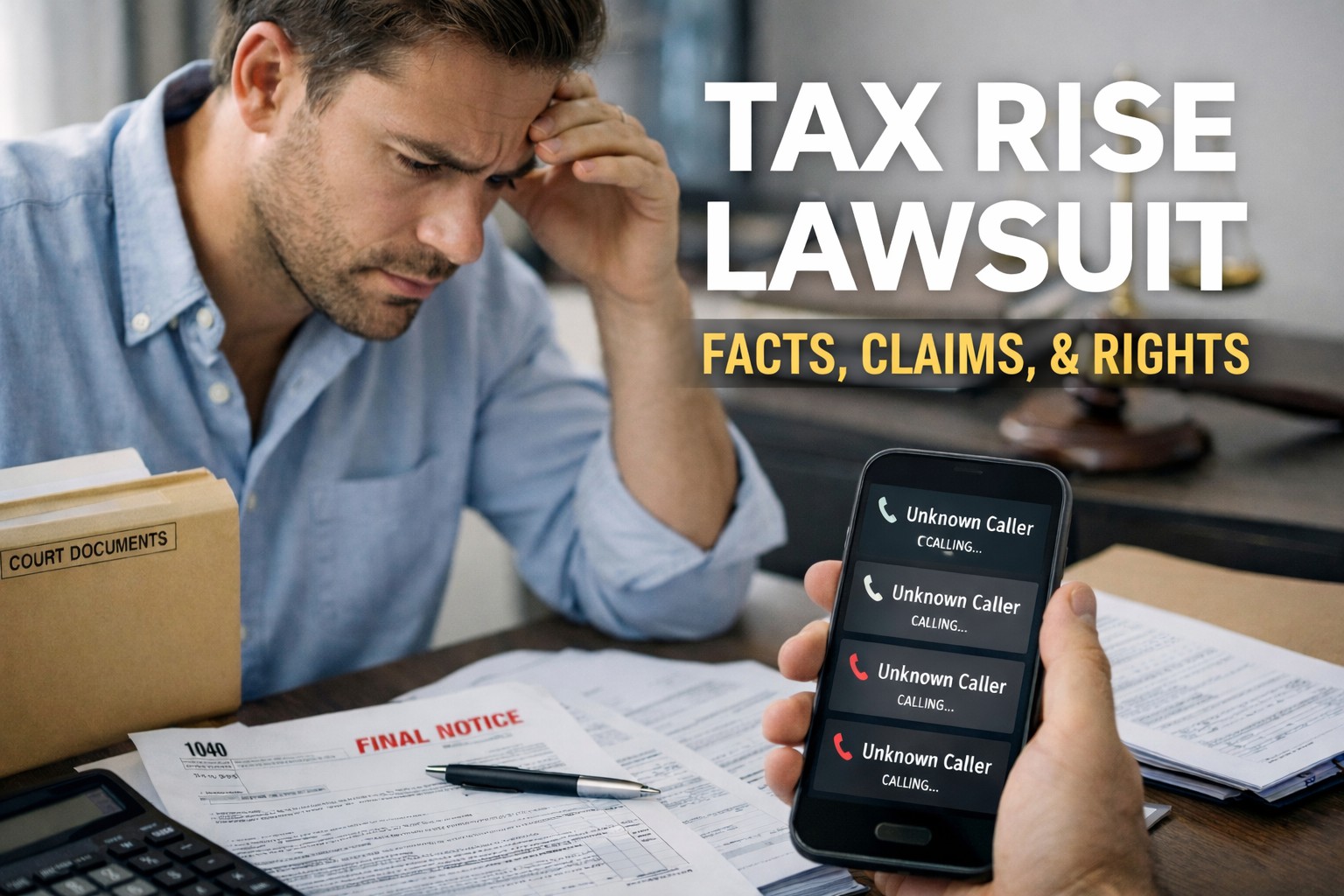
Many taxpayers first hear about the tax rise lawsuit after receiving repeated calls or messages from companies offering tax relief help. Some of these services promise large reductions in tax debt or claim they can negotiate directly with federal authorities. Those promises sometimes lead to disputes that end up in court.
Several legal actions tied to tax relief marketing have appeared across the United States in recent years. These filings happened in different courts and involve different legal claims. Some focus on unwanted calls or texts. Others relate to employee pay disputes or consumer protection rules.
Court records show a more complex situation than headlines suggest. The lawsuits involve separate cases rather than one large nationwide claim.
Why tax relief companies often face legal disputes
The tax relief industry works in a difficult regulatory environment. Companies handle sensitive financial information and communicate with consumers who often face urgent tax problems.
Marketing campaigns usually increase during tax season. Many taxpayers search for help when they receive notices from the government or worry about unpaid tax balances.
That pressure creates several areas of legal risk.
Aggressive marketing often becomes the first issue. Some consumers report repeated calls or text messages that promote tax settlement services. Federal law limits automated marketing communications when a consumer has not given permission.
Service claims can also cause conflict. Advertisements sometimes suggest dramatic reductions in tax debt. Consumers may later argue those statements created unrealistic expectations about results.
Employment practices introduce another source of litigation. Tax preparation businesses often expand their workforce during peak season. Rapid hiring can lead to wage disputes if payroll systems or scheduling practices lack oversight.
These issues combine to produce lawsuits across multiple legal categories.
Many taxpayers search for professional help when they struggle with tax filings or debt notices. Canadian readers often review guides that explain important tax lines such as Line 15000 on a tax return, which reports total income.
The communication law that appears in many complaints
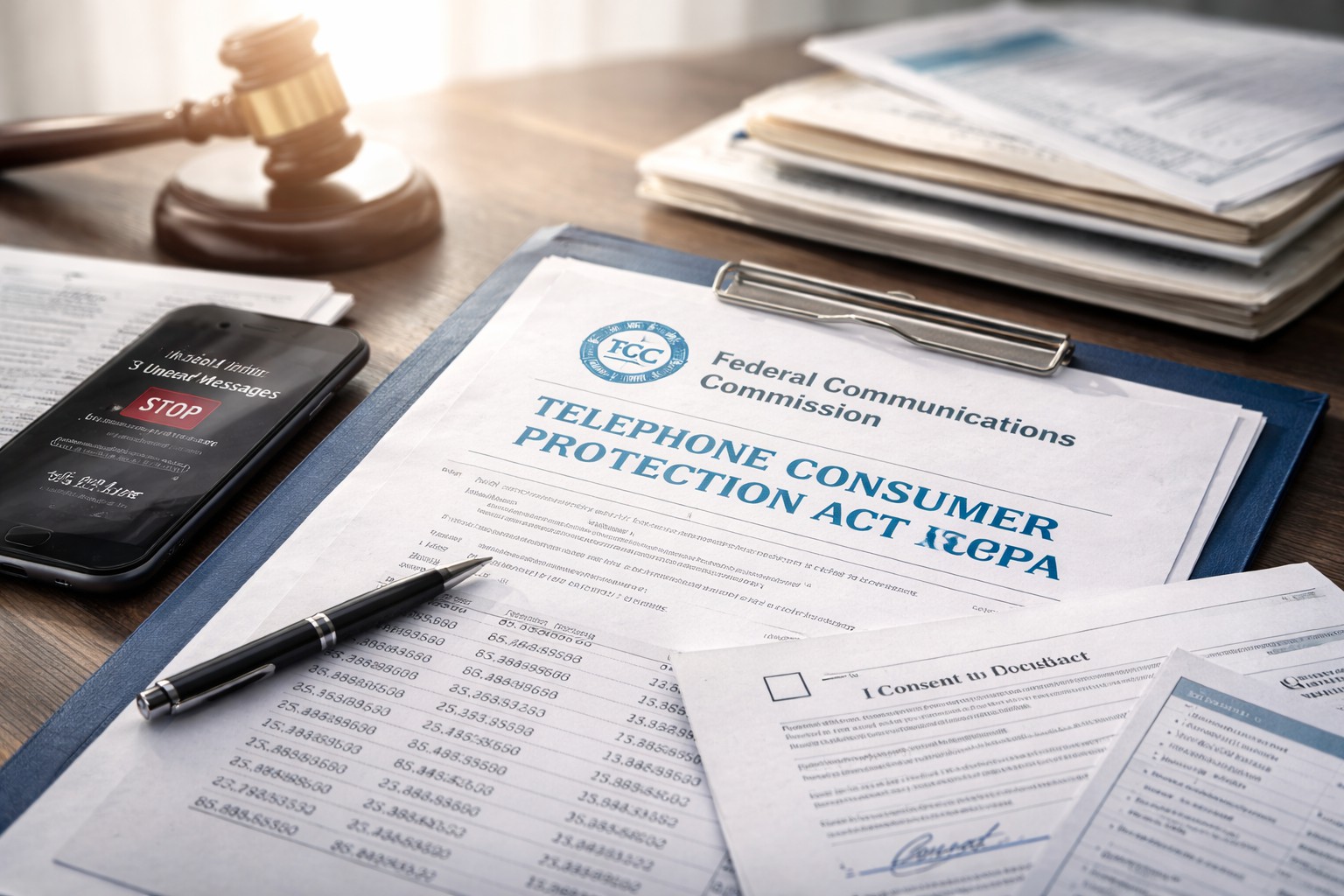
Many consumer lawsuits related to tax relief marketing rely on rules enforced through the Federal Communications Commission under the Telephone Consumer Protection Act.
This federal law regulates automated calls and certain marketing text messages. Businesses must obtain clear consent before sending promotional communications.
The law also requires companies to respect opt-out requests.
Typical allegations in these cases include:
- marketing calls placed without valid consent
- text messages that continue after a STOP request
- use of automated dialing technology without authorization
Courts examine several types of evidence when these claims appear.
Common records include call logs, text histories, and sign-up forms that show how a consumer’s contact details entered a marketing system. Statutory damages can apply when violations occur. Courts may increase penalties if conduct appears intentional.
Why the phrase “tax rise lawsuit” causes confusion
Online searches sometimes suggest that a single lawsuit covers the entire tax relief industry. Court filings show a different reality.
Several separate cases created the narrative around the phrase.
Telemarketing disputes in federal courts
Some plaintiffs claim they received promotional calls or text messages without permission.
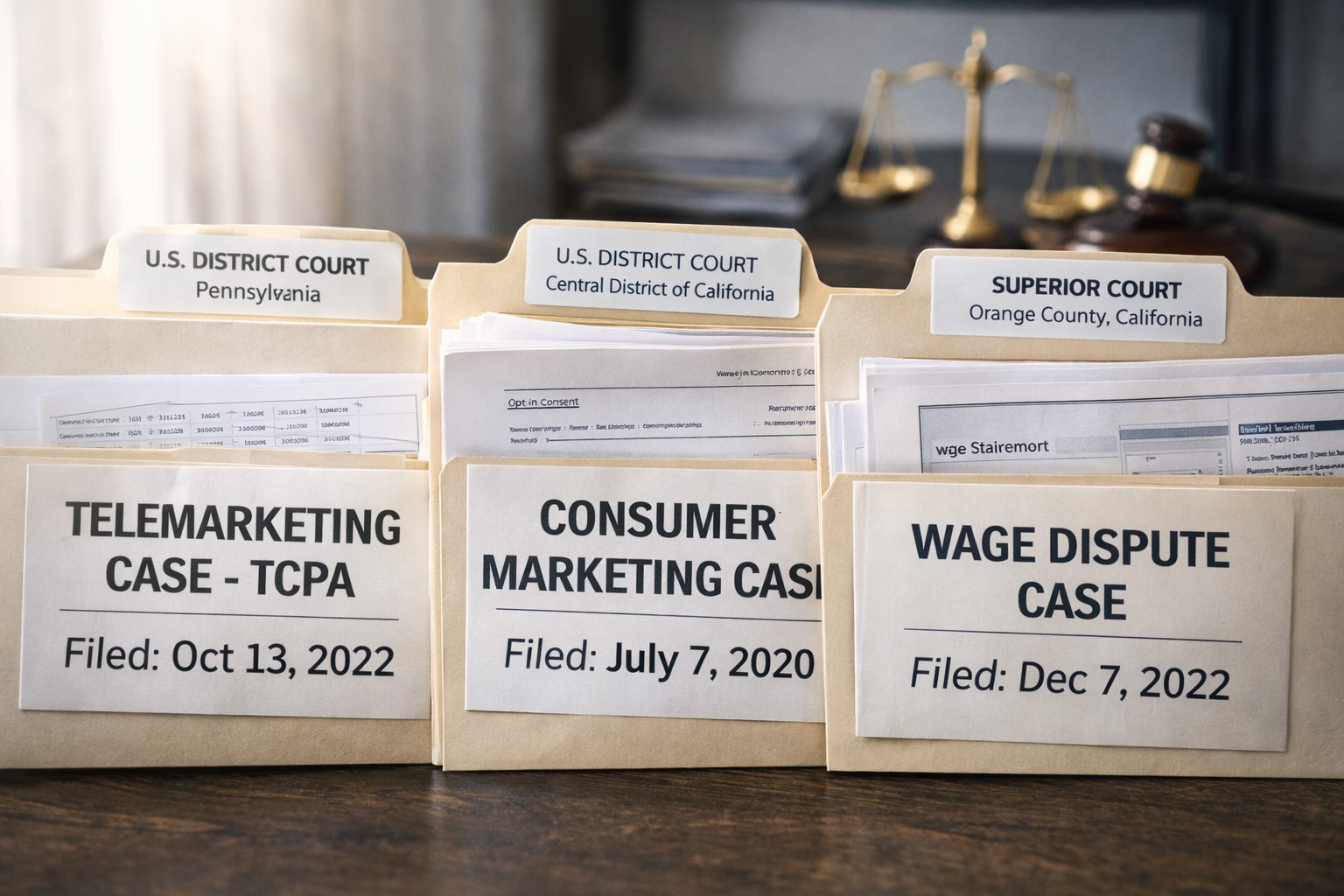
One example appeared on October 13, 2022 in the U.S. District Court for the Middle District of Pennsylvania. The complaint cited the TCPA and focused on communications related to tax relief services.
Evidence in that case involved:
- lead generation websites
- opt-in consent pages
- messaging records tied to marketing campaigns
Consumers may also add their numbers to the Do-Not-Call registry to reduce telemarketing calls.
Consumer marketing case filed in California
Another federal filing appeared in the Central District of California in July 2020. The complaint included federal consumer protection claims related to marketing communications.
Court records from that case show typical litigation steps such as scheduling orders, motions, and early discovery planning.
Wage dispute filed in Orange County
A different type of lawsuit appeared on December 7, 2022 in Orange County, California.
This complaint addressed labor law rather than telemarketing conduct. Workers alleged problems involving overtime pay and break periods.
Key issues included:
- overtime compensation
- meal and rest breaks
- wage statement accuracy
California labor statutes govern those claims rather than federal communication law.
Key court filings linked to the tax rise lawsuit
Court records show that several different cases shaped the discussion around the tax relief industry. The lawsuits do not belong to one single nationwide claim. Each case focuses on separate legal issues.
| Case Type | Court / Location | Filing Date | Main Legal Issue |
|---|---|---|---|
| Federal Consumer Communication Case | U.S. District Court – Central District of California | January 7, 2020 | Marketing communication claims |
| Federal TCPA Complaint | U.S. District Court – Middle District of Pennsylvania | October 13, 2022 | Unwanted calls or marketing texts |
| California Employment Lawsuit | Orange County Superior Court, California | December 7, 2022 | Overtime pay and labor law issues |
| Federal Class Action Settlement | U.S. District Court – Central District of California | July 2, 2021 | Case closed after private settlement |
Each case follows its own timeline and legal process. Courts review evidence separately, and outcomes in one case do not automatically apply to another.
The federal class action that closed in 2021
One widely cited case began in January 2020 in the U.S. District Court for the Central District of California.
Plaintiffs alleged violations connected to marketing communications and sought class action status. A class action allows multiple consumers with similar claims to pursue a case together.
Early proceedings focused on procedural steps.
Court entries addressed:
- case management orders
- scheduling deadlines
- preparation for discovery
The parties later reported a private settlement.
Court records confirm that the case closed on July 2, 2021 after settlement notice.
The case ended before class certification. That detail matters because the court did not issue a ruling that created broad liability across the industry.
Legal analysts often note that settlements resolve disputes between parties without establishing binding precedent.
Increased oversight from federal regulators
Regulators began paying closer attention to marketing practices in the tax relief sector after several complaints surfaced.
The Federal Trade Commission released guidance warning tax preparation companies about advertising practices. Regulators stressed that companies must avoid misleading claims and must protect taxpayer information.
Privacy concerns also received attention. Marketing campaigns often rely on tracking technologies that monitor online behavior.
Authorities warned companies about using taxpayer data for advertising without proper consent.
Oversight also involves the Internal Revenue Service, which regulates tax preparers who interact with federal filings.
These agencies influence industry standards and shape how courts evaluate compliance.
Documentation often determines the outcome of these cases
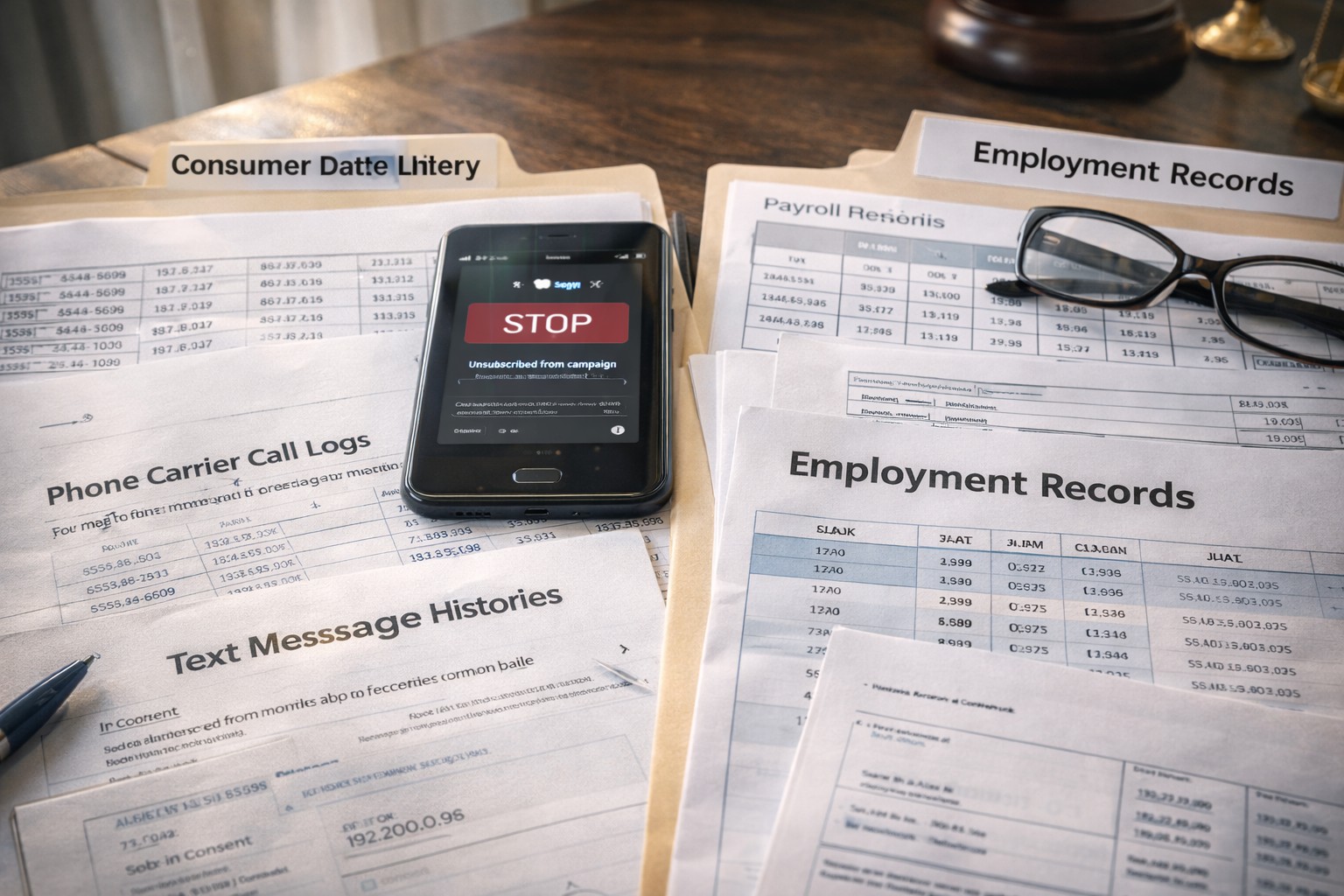
Court disputes rarely depend on advertisements alone. Judges examine records that show what actually happened.
Consumer communication lawsuits usually focus on evidence such as:
- phone carrier call logs
- text message histories
- web forms that record consent
- IP data connected to online sign-ups
Opt-out messages can carry significant weight. A simple STOP reply may become key evidence in litigation.
Employment disputes rely on different records.
Courts often review:
- payroll databases
- employee schedules
- time tracking systems
- company policy manuals
Missing or incomplete records can create problems for either side.
Experienced legal professionals often observe that strong documentation leads to earlier settlements. Poor records tend to extend litigation.
How marketing systems changed after these lawsuits
Several companies in the tax relief sector updated their communication systems after litigation drew attention to consent practices.
Modern marketing programs now track multiple details.
Systems often record:
- the exact moment consent occurred
- the source of that consent
- the language displayed on sign-up forms
Companies also store information about how consumers withdraw permission.
Contact frequency now receives closer monitoring as well. Repeated messages within short time periods may trigger complaints.
Compliance teams often review scripts, disclosures, and opt-out instructions before marketing campaigns launch.
Employment disputes highlight another risk area
The Orange County labor lawsuit illustrates a separate challenge for tax preparation companies.
Tax season creates intense workloads. Businesses often hire temporary workers to manage the increase in demand.
Rapid expansion sometimes exposes weaknesses in scheduling systems or payroll procedures.
California labor law imposes strict requirements in several areas:
- overtime compensation
- meal break compliance
- rest period rules
- accurate wage statements
Courts frequently analyze payroll records when these disputes appear.
California also permits representative lawsuits under the Private Attorneys General Act. These actions can expand the scope of labor disputes.
Many companies now focus heavily on compliance systems to reduce exposure.
The impact these cases have on consumers
Legal disputes involving tax relief services shape how companies interact with the public.
Enforcement of communication laws strengthens consumer protections. Businesses must obtain consent before contacting individuals with promotional messages.
Another outcome involves clearer advertising. Regulators expect tax relief companies to describe services honestly and avoid unrealistic claims.
Some cases begin with only a few consumer complaints. Documentation from those individuals sometimes leads to broader investigations into marketing practices.
Consumer reports therefore play an important role in regulatory oversight.
Situations that could support a legal claim
Eligibility for legal action depends on specific facts rather than general dissatisfaction with a service.
Common scenarios include:
Repeated marketing calls without consent
A consumer receives promotional calls related to tax settlement services despite never granting permission.
Continued texts after an opt-out request
A person sends a STOP message but continues receiving marketing communications.
Misleading service promises
Advertisements claim guaranteed reductions in tax debt that later prove unrealistic.
Employment-related wage disputes
Workers claim unpaid overtime or inaccurate pay statements during tax season employment.
Courts examine whether documentation supports these allegations before allowing a case to proceed.
Similar legal disputes appear in other industries as well. A recent example involves a bread price fixing class action lawsuit in Canada, where consumers claimed companies coordinated prices in the grocery market.
Common situations that may lead to legal claims
Consumers sometimes wonder when unwanted calls or misleading tax relief offers cross a legal line. The following examples explain common situations that courts often examine.
| Situation | Possible Legal Concern | Related Regulation |
|---|---|---|
| Repeated promotional calls without consent | Telemarketing violation | Telephone Consumer Protection Act |
| Text messages sent after a STOP request | Failure to honor opt-out request | TCPA communication rules |
| Misleading tax settlement promises | Deceptive advertising concern | Federal Trade Commission consumer protection standards |
| Payroll issues during tax season employment | Wage or overtime dispute | California labor law and wage statutes |
Each situation requires evidence that shows what happened and when it occurred.
Evidence that can strengthen a claim
Organized records often determine how quickly a legal dispute progresses.
Helpful documentation may include:
- screenshots of marketing messages
- phone carrier call records
- copies of online consent forms
- contracts with tax relief providers
- invoices and billing statements
Workers involved in wage disputes often rely on:
- pay stubs
- work schedules
- timecard data
Legal advisors frequently recommend creating a clear timeline that lists communications and events in chronological order.
Accurate documentation helps courts understand the sequence of events and evaluate claims efficiently.
How legal activity in this sector may evolve
Legal professionals expect disputes involving tax relief marketing to continue.
Millions of taxpayers search for assistance each year when facing unresolved tax debts. This demand drives a large marketing industry.
Communication technology continues to evolve. Messaging platforms blur the line between manual contact and automated systems. Courts may examine those technical questions in future TCPA cases.
Labor disputes may also remain common in states with strict employment laws. Tax preparation companies experience intense seasonal demand. Weak scheduling or payroll systems can create compliance risks. Regulatory agencies will likely maintain attention on data privacy and advertising transparency.
Companies that maintain accurate records and strong compliance procedures usually reduce legal exposure. Organizations that rely on aggressive marketing without oversight often encounter the opposite result.
Key Questions and Clear Answers (FAQs)
What does the tax rise lawsuit mean?
The phrase tax rise lawsuit describes several legal disputes linked to tax relief marketing. Courts have reviewed complaints about unwanted calls, text messages, and misleading tax settlement offers. Some cases also address employee pay issues in tax preparation companies. Each lawsuit deals with its own facts and legal claims.
Who may qualify to bring a tax rise lawsuit claim?
A person may have a claim after repeated marketing calls arrive without clear consent. Another situation occurs when messages continue after an opt-out request. Workers in tax preparation businesses may also file claims if overtime pay or wage rules face violation.
What records help prove a claim?
Strong cases depend on clear proof. Useful records include:
- phone call history from a carrier
- screenshots of text messages
- copies of consent forms or web sign-up pages
- service agreements with tax relief companies
- invoices or payment receipts
Employees may also rely on pay stubs, schedules, and timecard records.
Which federal rule often appears in these lawsuits?
Many communication disputes involve the Telephone Consumer Protection Act (TCPA). This federal law limits automated calls and marketing texts without consumer permission. Businesses must show proof of consent before contact begins.
What actions can reduce unwanted tax relief calls?
Consumers may request removal from contact lists. A STOP message can end many text campaigns. Phone numbers can also enter the national Do-Not-Call registry. These steps help reduce repeated marketing contact.
Why do tax rise lawsuits appear in different courts?
Each case involves unique facts, parties, and legal claims. Courts review those details under separate rules. One lawsuit may focus on telemarketing issues. Another may address labor law or consumer protection concerns. This explains why filings appear in several state and federal courts.
Legal information notice
This article provides general information about lawsuits connected to tax relief marketing and related consumer rights. The content explains public court records and regulatory rules.
It does not provide legal advice. Laws vary depending on location, facts, and individual circumstances. Anyone who believes they may have a legal claim should consider speaking with a licensed attorney.