Many people search the internet after they hear the phrase mary ruth organics lawsuit. The results can feel confusing. Some pages talk about a product recall. Others mention legal disputes or rumors about safety.
A closer look shows that several different events caused this search trend. News reports and legal discussions often mix these events together. Readers then struggle to understand what truly happened.
Three separate situations sit behind the headlines:
- A safety recall linked to infant probiotics in 2021
- Public concern about possible bacterial contamination
- A trademark dispute filed in 2022 between supplement brands
These events are not the same legal issue. Each one came from a different situation. Clear facts help readers see the difference and understand why the topic still appears in search results today.
Quick Facts About Mary Ruth Organics Lawsuit
Many readers search this topic to understand whether a major lawsuit exists. The available information points to several separate events.
• October 2021 – Infant probiotic recall due to possible bacterial contamination
• Safety notice released through the U.S. Food and Drug Administration
• January 2022 – Trademark dispute filed by Doctor Danielle LLC
• Court records show the trademark case ended later in 2022
• No confirmed nationwide consumer class action connected to the recall
This summary helps readers understand the key events quickly before reading the full explanation.
How MaryRuth Organics Built Its Name in the Supplement Market
The U.S. supplement market expanded fast over the last decade. During this period, MaryRuth Organics gained strong attention.
The company started in California and focused on liquid vitamins and plant-based nutrition. Founder MaryRuth Ghiyam promoted simple wellness habits and daily vitamin routines.
The brand chose liquid formulas instead of traditional pills. Many consumers prefer liquid supplements because they are easier to take and mix with drinks.
Several factors helped the brand grow:
- Liquid vitamins as an alternative to tablets
- Vegan and organic product focus
- Promotion through wellness creators online
- Distribution through major U.S. retailers
Parents soon became a major customer group. Infant probiotics and children’s vitamins received strong interest in parenting communities.
Retail presence expanded across the country. Large online stores and health retailers began to stock the products. As the brand grew, regulators also paid closer attention to product safety and labeling.
The Recall That Drew Public Attention
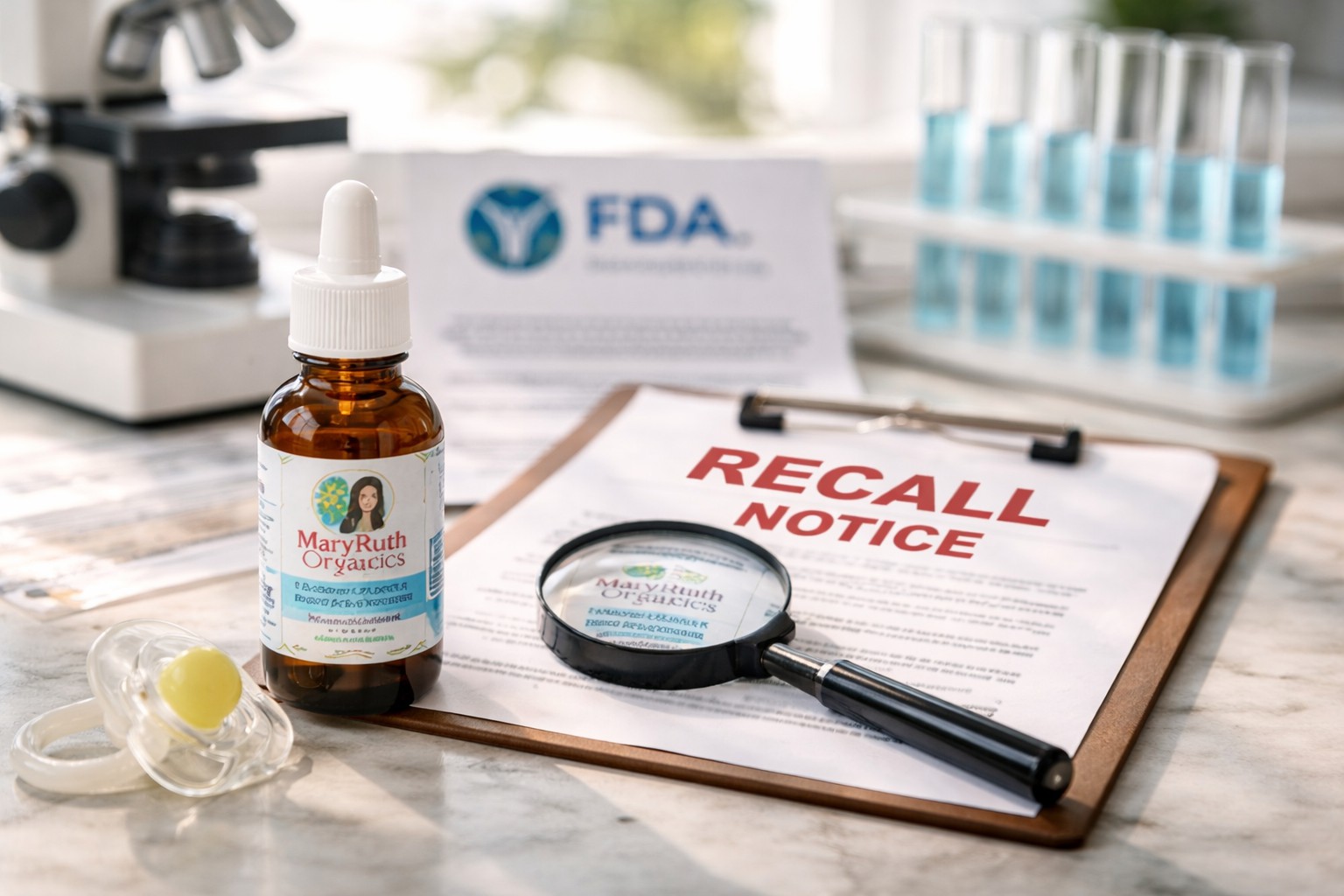
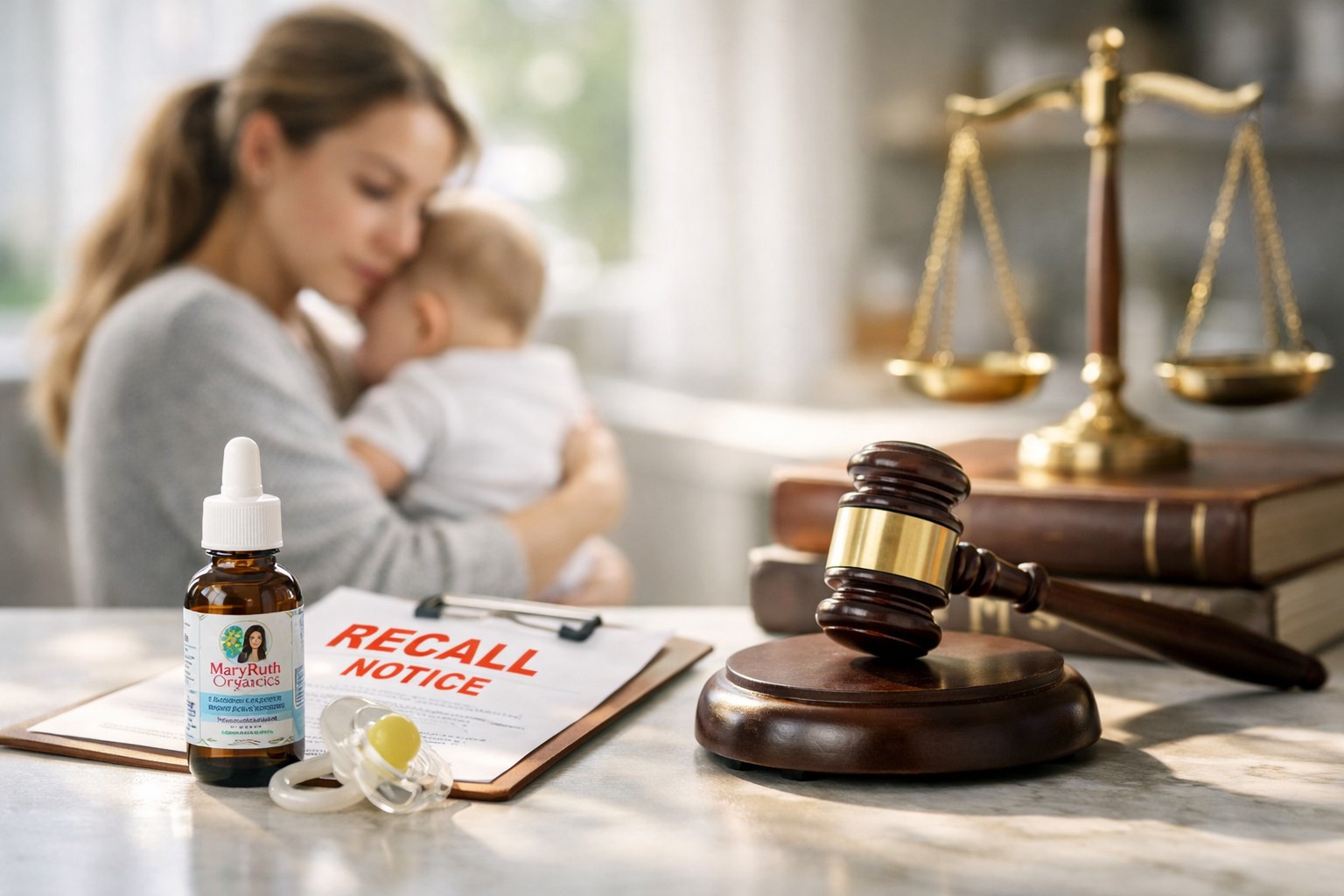
Search interest around mary ruth organics lawsuit rose after a product recall in October 2021. The alert involved an infant probiotic sold under the MaryRuth brand.
Federal recall information published by the U.S. Food and Drug Administration confirmed the affected product lots.
The U.S. Food and Drug Administration released the safety notice. Tests showed a possible contamination risk linked to the bacterium Pseudomonas aeruginosa.
The recall covered two specific product lots.
Product named in the notice:
- MaryRuth Organic Liquid Probiotic for Infants
- Bottle size: 2 fluid ounces
- Two lot numbers listed in the federal recall notice
The company issued a voluntary recall after internal testing found the potential risk.
Health regulators apply strict safety rules to infant products. Even a small contamination risk can lead to a recall alert.
Why Health Authorities Viewed the Bacteria Risk as Serious
Health experts reacted quickly after tests found Pseudomonas aeruginosa linked to the recalled product.
Medical research connects this bacterium with several infections. Known risks include:
- Blood infections
- Lung infections
- Urinary tract infections
- Skin infections in vulnerable patients
Most healthy adults recover without serious illness. Infants face greater danger because their immune systems remain weak during early life.
The probiotic product targeted babies. That fact raised concern among health authorities. Infant health products require strict safety standards.
Parents checked probiotic bottles at home soon after the recall notice appeared. Retailers removed affected products from shelves to reduce risk.
Who Could Be Affected by the Recall
The recall focused on a specific probiotic product designed for infants. Parents who purchased the product during the affected period may have checked the recall notice.
Groups that paid close attention to the recall included:
• Parents who purchased infant probiotics
• Families with newborn babies
• Consumers who follow supplement safety alerts
• Health professionals who monitor infant nutrition products
Consumers who owned the product often compared the lot number on the bottle with the recall notice.
Questions Parents Raised After the Recall
Safety alerts about baby products spread quickly across the internet.
Parent groups and consumer forums began to discuss the situation soon after the recall notice appeared.
Several questions surfaced again and again:
- Did infants experience illness after taking the probiotic?
- Did the company detect contamination earlier?
- Could families seek legal compensation?
Government notices did not report widespread injury connected to the recalled product lots.
The recall served as a precaution rather than a response to confirmed harm.
Legal interest still grew because infant supplements must meet strict safety expectations.
Why a Recall Does Not Automatically Lead to a Lawsuit
Many people assume a recall means a company already faces legal action. That assumption often proves incorrect.
Manufacturers issue recalls when internal testing shows a possible safety risk. Companies often act before consumers experience harm.
Common recall triggers include:
- Bacterial contamination
- Label errors
- Packaging problems
- Ingredient quality concerns
Regulators expect quick action when these issues appear.
The probiotic recall followed that pattern. The company reported that the recall happened after testing revealed the potential contamination risk.
A lawsuit usually requires stronger evidence such as:
- Confirmed consumer injuries
- Proof that safety warnings were ignored
- Evidence of misleading claims about product safety
Public court records do not show a major national class action related to the recall.
Legal action usually appears only when injuries or misleading claims are proven in court records.
Why Supplement Recalls Matter for Consumers
Supplement recalls help protect public health. They alert consumers when a product may pose a risk.
Health agencies issue recall notices to prevent harm. These alerts allow companies to remove affected products quickly.
Consumers also benefit because recalls provide clear safety instructions. People can check product labels, return affected items, or contact health professionals if concerns appear.
Quick recalls often reduce the chance of serious health problems.
The Separate Trademark Case Behind Some Search Results
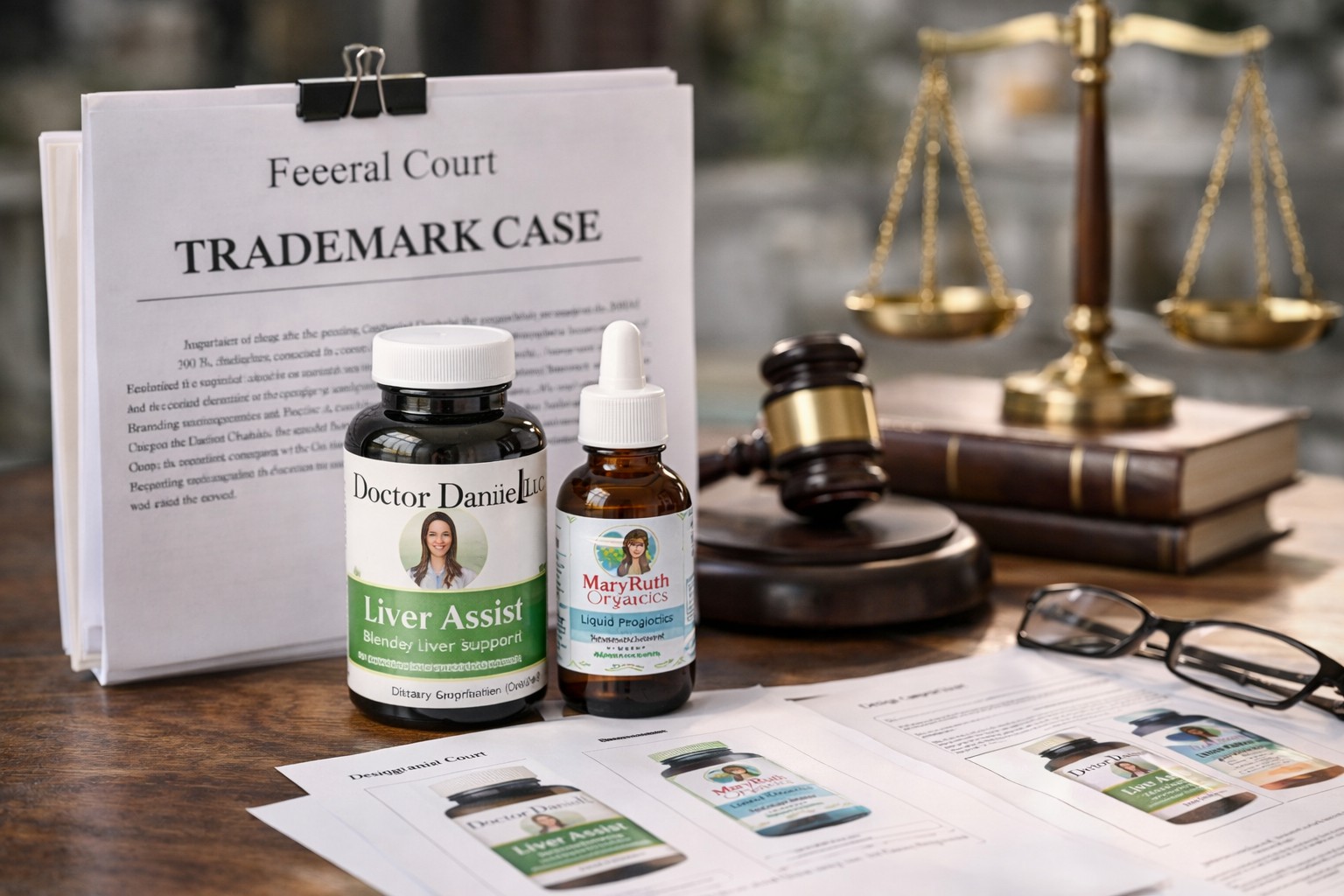
Search results for mary ruth organics lawsuit also include another legal dispute that has no connection to product safety.
A supplement brand named Doctor Danielle LLC filed a trademark complaint in January 2022.
The case focused on branding similarities.
Doctor Danielle claimed that some design elements used on MaryRuth products could create confusion among shoppers.
Trademark conflicts appear often in the supplement market because many brands sell similar health products.
Arguments in such disputes often include:
- Similar product packaging colors
- Comparable label designs
- Product names that resemble existing brands
Federal court documents reviewed these claims during the legal process.
Court records later showed that the case ended in 2022 after dismissal. The dispute did not involve contamination or health risks.
Why the Topic Still Appears in Search Results
Online interest in the mary ruth organics lawsuit continues even years after the recall.
Several reasons explain the lasting search activity.
Infant health products always draw strong emotional reactions. Parents often research safety news that involves products designed for babies.
The supplement industry also faces frequent legal questions. Marketing claims, ingredient safety, and manufacturing standards often appear in legal disputes.
Internet rumors also spread quickly. Some websites mix speculation with recall information. Readers then struggle to separate verified facts from opinions.
Search engines show results that combine recall reports, legal discussions, and unrelated trademark disputes. Readers often search again because they want a clear explanation.
Many recall stories spread quickly online. Clear facts often appear later after regulators publish official reports.
The Legal Rules That Apply to Supplement Companies
Dietary supplements follow a different regulatory path than prescription drugs.
United States law known as the Dietary Supplement Health and Education Act (DSHEA) allows supplements to enter the market without full pharmaceutical approval.
Manufacturers still carry major responsibilities.
Companies must:
- Use safe ingredients
- Maintain clean manufacturing processes
- Avoid misleading health claims
- Respond quickly when safety risks appear
Legal action can occur if a company fails to meet these obligations.
Common supplement lawsuits involve issues such as:
- Contaminated products
- Undisclosed ingredients
- False health claims
- Incorrect dosage instructions
Many companies resolve these disputes through private settlements.
Similar Recall Situations Across the Supplement Industry
The MaryRuth recall reflects patterns seen across the supplement market.
Other brands have also faced recalls after discovering issues such as:
- Bacterial contamination during production
- Undeclared allergens in ingredient lists
- Incorrect dosage labels
Early recall announcements often prevent larger legal disputes.
Legal observers often evaluate how quickly companies respond after identifying a safety concern. Quick public notices can reduce legal exposure.
Slow responses or lack of transparency often create greater legal risk.
Legal issues in the supplement market are common. Another example appears in the Isotonix Lawsuit, Truth About Health Claims, Income Loss, and Legal Risks, which explains legal concerns around supplement marketing and health claims.
What Consumers Should Do After a Supplement Recall
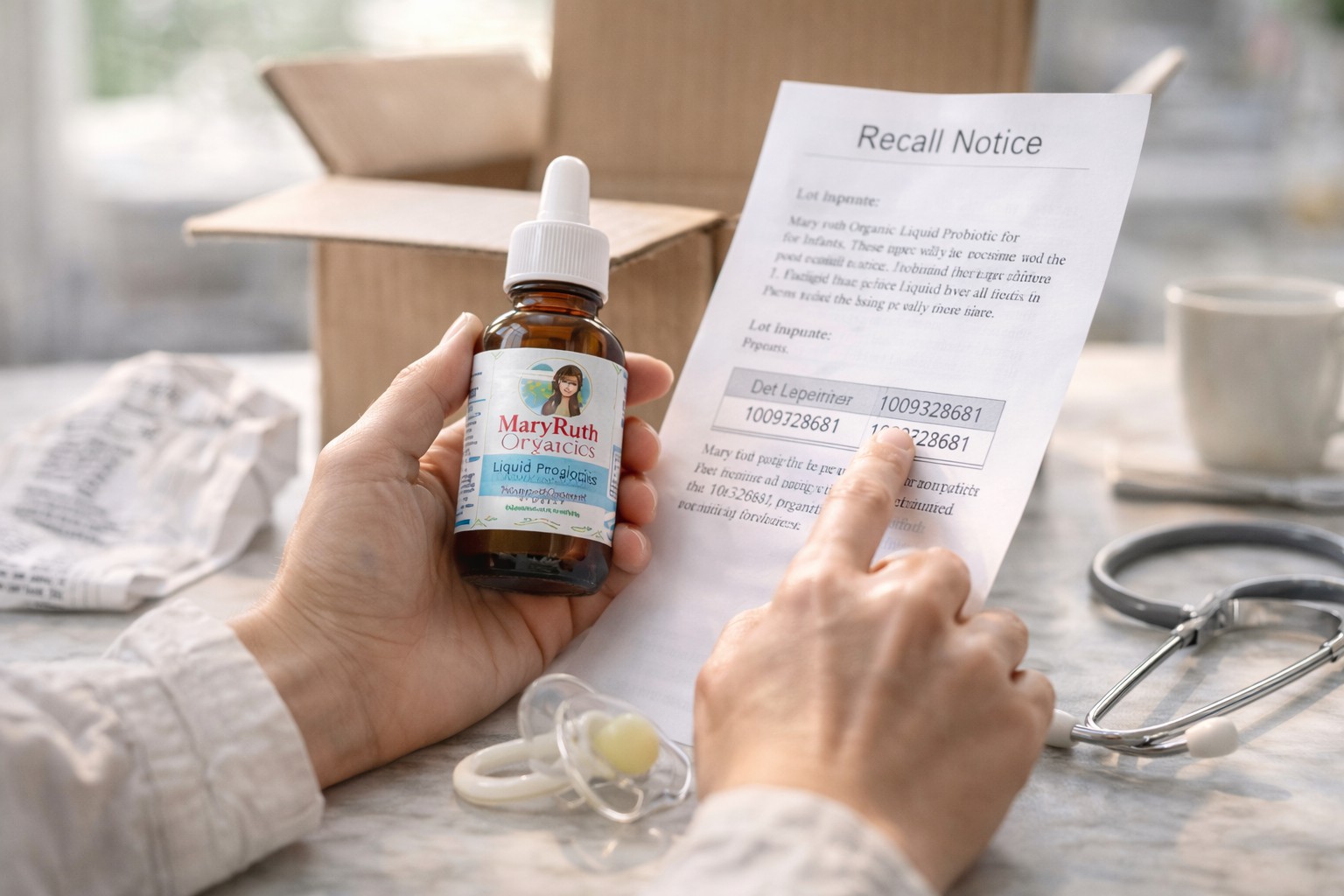
A supplement recall requires quick action. People who bought the product should review the recall notice and confirm whether their bottle appears on the list.
Start with the lot number printed on the package. Compare that number with the recall information released by health authorities.
If the numbers match, stop use of the supplement. Do not give the product to children or other family members.
Contact the retailer or the manufacturer next. Most companies provide refund options after a recall notice. Many retailers also accept returns for recalled products.
Keep the bottle, packaging, and purchase receipt if possible. These records may help if questions or claims appear later.
Seek medical advice if unusual symptoms appear after use of the product. A doctor can review the situation and suggest proper care.
Official recall notices usually appear on government health websites. These notices explain the recall reason and list steps for safe disposal or product return.
Parents often act with extra caution when a recall involves infant health products. Safety always comes first when products target babies.
How Consumers Can Verify Recall Information
Reliable recall information usually comes from official health agencies.
Consumers can confirm recall notices through several sources:
• Government health agency websites
• Official company announcements
• Major retailer safety alerts
• News reports that reference official recall notices
Checking official sources helps avoid confusion created by online rumors.
Where the Brand Stands Today
MaryRuth Organics still operates in the supplement market and sells products through large online retailers.
The company currently offers several product types:
- Multivitamins for adults and children
- Liquid herbal extracts
- Probiotic supplements
- Plant-based omega formulas
The brand maintains strong visibility in the wellness industry.
Safety events often place companies under greater scrutiny. Regulators and consumers pay closer attention to quality control and manufacturing practices after recalls.
Reputation in the supplement market often depends on transparency and consistent safety standards.
Is MaryRuth Organics Safe Today?
Consumers often ask whether the brand still sells supplements after the recall.
MaryRuth Organics continues to operate in the wellness market. The company sells vitamins and probiotics through large online retailers and health stores.
The 2021 recall involved limited product lots. The company removed the affected products after the safety notice.
Health experts usually recommend that consumers review recall notices carefully and follow official safety instructions. Checking product labels and lot numbers remains the best step after any supplement recall.
Why Lawsuit Searches Continue Years Later
Online search trends often continue long after a recall event.
Several factors keep the topic active:
• Infant health products attract strong attention
• Supplement safety discussions remain common
• Search engines display older news articles and legal discussions
Readers often search again because they want a clear explanation of the situation.
What the “Mary Ruth Organics Lawsuit” Searches Actually Mean
Searches for mary ruth organics lawsuit usually connect to several separate events rather than one large court case.
The verified facts include:
- An October 2021 probiotic recall related to possible bacterial contamination
- A federal safety notice issued through government health regulators
- A trademark lawsuit filed in early 2022 and later dismissed
- No confirmed nationwide consumer class action connected to the recall
Interest in the topic remains strong because infant supplement safety attracts public attention. Accurate information helps readers understand what happened and avoid confusion created by rumors or incomplete reports
Common Questions
Did MaryRuth Organics face a major lawsuit?
Public records mainly show a product recall and a trademark dispute. No widely confirmed nationwide consumer class action appears in court records.
Why did the infant probiotic recall happen?
Tests detected a possible contamination risk linked to a bacterium known as Pseudomonas aeruginosa.
Did the recall affect all MaryRuth products?
No. The recall notice listed two specific probiotic product lots.